
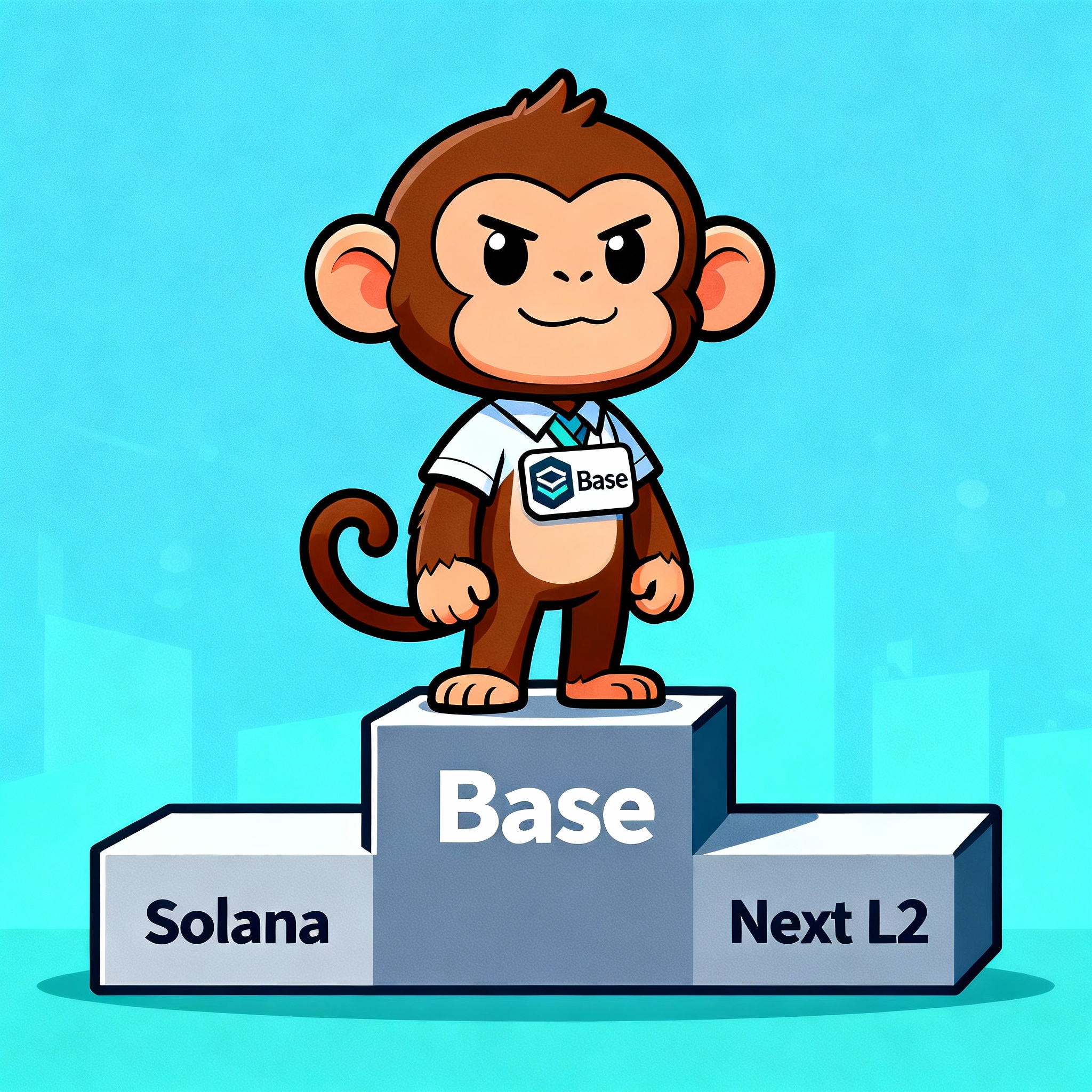
The memecoin launchpad ecosystem is at an inflection point. Solana’s dominance through Pump.fun is challenged by Base’s institutional backing and professional infrastructure. Simultaneously, emerging Layer 2 solutions (Arbitrum, Optimism, Polygon) are entering the memecoin space. This competition will determine the future trajectory of memecoin markets. Understanding the strategic positioning of each platform—their technical advantages, regulatory posture, and likely evolution—helps predict where meme culture will thrive in the next 3-5 years. This guide examines the competitive dynamics, platform trajectories, and what the future likely holds.
Current Market Position: 2025 Snapshot
Pump.fun (Solana) – The Incumbent
Current metrics:
- 73.6% market share of memecoin launchpads
- ~13,690 daily token launches (August 2025)
- $800M+ lifetime revenue
- Estimated $500k-$1M daily fee generation
Strengths:
- Network effects (established community)
- Low costs ($0.00025 gas)
- Proven product-market fit
- Established creator economy
Vulnerabilities:
- Regulatory enforcement risk (no compliance infrastructure)
- Ecosystem saturation (13k daily launches = overwhelming noise)
- Isolated infrastructure (Solana-only ecosystem)
- Platform risk (Solana network outages)
Ape.Store (Base) – The Challenger
Current metrics:
- ~2-5% market share (estimated; undisclosed)
- ~500-2,000 daily token launches (estimated)
- Revenue metrics undisclosed
- Growing adoption (anecdotally)
Strengths:
- Institutional backing (Coinbase)
- Regulatory compliance positioning
- Professional infrastructure (Uniswap v2)
- Automatic liquidity security
- DeFi ecosystem integration
Vulnerabilities:
- Late to market (Pump.fun 18+ months ahead)
- Smaller ecosystem (less network effect)
- Less marketing (less cultural presence)
- Higher friction (wallet requirement)
Emerging Competitors
Arbitrum:
- Growing DeFi ecosystem
- Camelot DEX (Arbitrum’s equivalent of Raydium)
- Potential launchpad projects in development
- Market position: Undifferentiated (no major memecoin launchpad yet)
Optimism:
- Strong institutional support
- Uniswap v3 native deployment
- Growing developer ecosystem
- Market position: Potential Base competitor
Polygon:
- Established ecosystem
- Multiple DEX options
- Limited memecoin focus historically
- Market position: Possible entry into memecoin space
The Strategic Forks: Three Competing Visions
Vision 1: Pump.fun’s Path – Entertainment Maximization
Strategy:
- Prioritize engagement and FOMO over compliance
- Maximize transaction volume (higher fees)
- Minimize friction to entry
- Maintain Solana dominance through network effects
- Accept regulatory risk as cost of dominance
Timeline:
- 2025: Continue dominance despite regulatory scrutiny
- 2026: Possible SEC enforcement action against platform
- 2027: Platform shutdown or major regulatory pivot (50-50 odds)
If successful (70% probability):
- Pump.fun remains dominant through regulatory ambiguity
- Competitors capture regulatory-risk-averse participants
- Market bifurcates: Entertainment (Pump.fun) vs. Institutional (Base/others)
If unsuccessful (30% probability):
- SEC enforcement forces platform shutdown or pivot
- Vacuum filled by competitors or decentralized alternatives
- Network effects collapse rapidly
Vision 2: Ape.Store’s Path – Institutional Integration
Strategy:
- Prioritize compliance and regulatory positioning
- Integrate with professional infrastructure (Uniswap, Aave)
- Emphasize security and transparency
- Capture institutional and serious retail capital
- Build sustainable ecosystem
Timeline:
- 2025: Gradual market share gains from security-conscious participants
- 2026: Potential acceleration as Pump.fun faces enforcement
- 2027: Possible market leadership if Pump.fun disabled
If successful (40% probability):
- Base becomes primary launchpad for sustainable projects
- Professional infrastructure becomes standard
- Regulatory clarity arrives (base already compliant)
- Institutional capital enters memecoin space
If unsuccessful (60% probability):
- Entertainment and FOMO remain dominant drivers
- Smaller launchpads remain minority choice
- Regulatory enforcement doesn’t materialize as expected
- Pump.fun’s dominance persists despite vulnerabilities
Vision 3: Decentralized Alternative Path – Protocol-Level Launchpads
Strategy:
- Decentralized, censorship-resistant token launches
- No central platform to regulate or shut down
- Community-governed mechanics
- Borderless operation
Examples emerging: Bonding curve mechanics integrated into DEX protocols themselves.
Timeline:
- 2025-2026: Early experimentation, minimal adoption
- 2027+: Potential adoption if centralized platforms face enforcement
If successful (20% probability):
- Memecoin launching becomes decentralized primitive
- No single platform dominates (distributed across protocols)
- Regulatory enforcement becomes impossible
- Quality control eliminated (pure chaos)
If unsuccessful (80% probability):
- Complexity and poor UX prevent mainstream adoption
- Centralized platforms remain dominant
- Users prefer convenience over decentralization
Competitive Advantages by Dimension
Speed and Accessibility
| Platform | Launch Time | Gas Cost | Friction | Winner |
|---|---|---|---|---|
| Pump.fun | 1-2 min | $0.0005 | Minimal | Pump.fun |
| Ape.Store | 5-10 min | $0.05-0.10 | Moderate | Pump.fun |
| Arbitrum launchpad (hypothetical) | 3-5 min | $0.01-0.05 | Low | Tie (Pump.fun slight) |
Verdict: Speed favors Pump.fun indefinitely. Layer 2 competitors can’t overcome Solana’s raw speed advantage.
Infrastructure and Ecosystem Integration
| Platform | DEX Integration | DeFi Access | Professional Tools | Winner |
|---|---|---|---|---|
| Pump.fun | Raydium (Solana-only) | Limited | Minimal | Ape.Store |
| Ape.Store | Uniswap v2 (mainstream) | Full Ethereum access | Extensive | Ape.Store |
| Arbitrum | Multiple DEXs | Full Ethereum access | Extensive | Ape.Store/Arbitrum tie |
Verdict: Infrastructure and integration favor Ethereum L2s. Solana remains isolated.
Regulatory Positioning
| Platform | Compliance | Enforcement Risk | Regulatory Cooperation | Winner |
|---|---|---|---|---|
| Pump.fun | Minimal | High | Low | Ape.Store |
| Ape.Store | Moderate | Moderate | High | Ape.Store |
| Arbitrum | Developing | Moderate | Moderate | Ape.Store/Arbitrum tie |
Verdict: Ape.Store’s Coinbase backing and compliance positioning are unique advantages.
Community and Network Effects
| Platform | Daily Launches | Established Community | Momentum | Winner |
|---|---|---|---|---|
| Pump.fun | ~13,690 | Massive | Strong (but plateauing) | Pump.fun |
| Ape.Store | ~500-2,000 | Growing | Accelerating | Pump.fun (for now) |
| Arbitrum | ~0-100 (none yet) | None | Not applicable | Pump.fun |
Verdict: Pump.fun’s network effects are strongest, but saturation reduces marginal value of additional users.
Security and Transparency
| Platform | LP Security | Contract Verification | Scam Rate | Winner |
|---|---|---|---|---|
| Pump.fun | Manual/variable | Unverified possible | 60%+ | Ape.Store |
| Ape.Store | Automatic burns | Auto-verified | 40-50% (estimated) | Ape.Store |
| Arbitrum | Depends on launchpad | Likely verified | Unknown | Ape.Store |
Verdict: Ape.Store’s automatic security mechanisms provide genuine advantage over Pump.fun.
The Likely Evolution: Scenario Analysis
Scenario 1: Regulatory Disruption (40% probability)
Timeline:
- Q1-Q2 2026: SEC enforcement against Pump.fun
- Q3 2026: Pump.fun forced to implement KYC/compliance or shutdown
- Q4 2026: Significant market share shifts to compliant platforms
Winner: Ape.Store and other Base/L2 competitors
Market structure:
- Pump.fun either shuts down or becomes minimal-volume
- Ape.Store captures serious/institutional volume
- Emerging competitors launch on Arbitrum, Optimism
- Decentralized alternatives emerge for pure-speculation users
Outcome: Market bifurcates into compliant (Ethereum L2s) and non-compliant (offshore/decentralized) segments.
Scenario 2: Regulatory Ambiguity Persists (35% probability)
Timeline:
- 2026: Regulators delay decisive action
- 2027: Pump.fun continues operating despite legal gray area
- Ongoing: Uncertainty persists indefinitely
Winner: Pump.fun (maintains dominance through inertia)
Market structure:
- Pump.fun remains 60-70% market share
- Ape.Store captures 15-20% (risk-averse users)
- New competitors emerge on all major L2s
- Market becomes fragmented across multiple platforms
Outcome: Pump.fun remains dominant but loses market share to alternatives over time.
Scenario 3: Regulatory Safe Harbor (15% probability)
Timeline:
- 2026: Congress passes exemption for sub-$10M market cap tokens
- 2027: Clear regulatory pathway established for launchpad operators
- Ongoing: Compliance becomes normalized, accessible cost
Winner: Pump.fun and established competitors
Market structure:
- Regulatory clarity attracts institutional participation
- All major platforms gain credibility
- Market consolidates around 3-5 major launchpads
- Sub-$10M tokens exempt; larger tokens regulated
Outcome: Memecoin market becomes more mature, higher barriers to entry, institutional participation increases.
The Role of Alternative L2s: Competitive Entry
Arbitrum’s Positioning
Potential advantage:
- Multiple DEX options (Camelot, GMX, others)
- Growing developer ecosystem
- Potential launchpad projects in development
Likely outcome:
- Will launch memecoin launchpad (if not already)
- Compete on cost (lower gas than Base)
- Capture Arbitrum-native communities
- Market share: 5-15% in scenario 1-2, 15-25% in scenario 3
Optimism’s Positioning
Potential advantage:
- Uniswap v3 native deployment (professional infrastructure)
- Growing institutional presence
- Potential for compliance-forward design
Likely outcome:
- Could compete directly with Ape.Store
- Similar positioning to Base (Ethereum L2)
- Market share: 3-10% if launched (similar to other L2s)
Polygon’s Positioning
Potential advantage:
- Established ecosystem and maturity
- Lower costs than Arbitrum/Optimism
- Developer familiarity
Likely outcome:
- Late entry (Polygon hasn’t prioritized memecoins)
- Compete on cost and ecosystem size
- Market share: 3-8% (if launched)
Long-Term Predictions: 2027-2030
The Most Likely Future (40% probability)
Scenario: Regulatory Bifurcation with L2 Consolidation
Market structure:
- Pump.fun: 30-40% market share (survives but severely restricted or relocated)
- Ape.Store: 25-35% market share (compliant market leader)
- Arbitrum launchpad: 10-15% market share
- Optimism/Polygon/Others: 10-20% combined
- Decentralized alternatives: 5-15% (pure-speculation users)
Key dynamics:
- Regulatory clarity arrives (mostly clear rules by 2027)
- Compliance-forward platforms gain credibility
- Entertainment-focused platforms remain but smaller
- Professional money enters memecoin space
- Institutional custody solutions for memecoins emerge
Implications:
- Average memecoin lifespan increases (more sustainable projects)
- Scam rate decreases (regulatory enforcement + platform vetting)
- Price volatility becomes more systematic
- Memecoin market size grows 5-10x despite consolidation
Alternative Future (35% probability)
Scenario: Pump.fun Dominance Persists, Competitors Specialized
Market structure:
- Pump.fun: 50-60% market share (network effects overcome regulatory risk)
- Ape.Store: 10-15% market share (niche: compliance-conscious)
- Arbitrum/others: 5-10% market share (geographic arbitrage)
- Decentralized: 15-25% market share (regulatory arbitrage)
Key dynamics:
- Regulators unable to enforce against decentralized alternatives
- Pump.fun continues operating despite legal ambiguity
- Market fragments into regulatory-compliant and regulatory-resistant segments
- Professional participation limited to compliant platforms
Implications:
- Memecoin market bifurcates into tiers (regulated vs unregulated)
- Compliance becomes cost differentiator (higher fees on compliant platforms)
- Volatility remains extreme (speculation drives market)
- Network effects perpetuate Pump.fun dominance
Unlikely Future (15% probability)
Scenario: Decentralized Alternatives Dominate
Market structure:
- Decentralized protocols: 40-50% market share
- Pump.fun: 20-30% market share (survives but diminished)
- Ape.Store: 5-10% market share (institutional only)
- Others: 10-20% market share
Key dynamics:
- Regulatory enforcement becomes impossible
- Users prefer censorship-resistance over UX
- Complexity becomes acceptable (advanced users dominate)
- Professional infrastructure optional
Implications:
- Memecoin launches become primitive of DeFi protocols
- No central platform to regulate or control
- Market becomes pure-speculation (no compliance/institutional participation)
- Quality control vanishes (extreme chaos)
Probability: Lowest (15%) because UX complexity usually wins over decentralization ideology.
Strategic Positioning For Each Platform: 2026-2027 Actions
What Pump.fun Must Do To Survive
- Implement compliance infrastructure (KYC/AML for high-volume traders)
- Delist obvious securities (tokens with unregistered characteristics)
- Create regulatory safe harbor (cooperate with regulators)
- Or relocate offshore (jurisdictional arbitrage)
- Or accept risk (continue as-is, risking shutdown)
Most likely: Offshore relocation or aggressive regulatory resistance (rather than compliance pivot).
What Ape.Store Must Do To Expand
- Maintain compliance positioning (stay ahead of regulatory curve)
- Improve UX and reduce friction (make Wallet connection less intimidating)
- Market aggressively (build awareness as regulatory-safe alternative)
- Expand to other L2s (Ape.Store on Arbitrum, Optimism)
- Integrate DeFi yield (offer staking, farming, rewards)
Most likely: Gradual expansion through compliance positioning and institutional marketing.
What New Competitors Must Do
- Differentiate (don’t just copy Ape.Store or Pump.fun)
- Choose positioning: Entertainment (like Pump.fun) or compliance (like Ape.Store)
- Own specific niche (geographic, demographic, token type)
- Build community early (network effects matter)
- Prepare for regulatory changes (build compliance optionality)
Most likely: Arbitrum launchpad launches with cost/speed differentiation; Optimism follows; Polygon enters if market matures.
The Technology Wildcard: Fractal Scaling and Beyond
Emerging Technologies That Could Reshape Competition
1. Fractal Scaling (L3s)
- Layer 3s on top of Layer 2s (extreme cost reduction)
- Potential: $0.0001 gas costs (between Solana and current L2)
- Timeline: 2026-2027
- Impact: Extreme cost advantage if adopted
2. Blockchain Sequencing Improvements
- Solana’s Firedancer client (30k TPS potential)
- Base/Arbitrum improvements (higher throughput)
- Impact: Cost and speed converge across platforms
3. Cross-Chain Atomic Swaps
- Seamless token trading across chains
- Impact: Launchpad location becomes less relevant
- Timeline: 2026+
4. AI-Powered Scam Detection
- Automated identification of honeypots and rug pulls
- Impact: Reduces scam rate, increases project quality
If these technologies mature: Current competitive advantages (speed, cost, infrastructure) diminish. Positioning and community become dominant factors.
Conclusion: The Multi-Platform Future
The Realistic Outcome
By 2030, the memecoin launchpad market will likely:
✅ Remain fragmented across 5-10 major platforms
✅ Bifurcate into compliance-focused and speculation-focused segments
✅ Consolidate around Ethereum L2s (Base, Arbitrum, Optimism) and Solana
✅ Commoditize core mechanics (bonding curves become standard)
✅ Professionalize through institutional participation and compliance
✅ Mature with higher barriers to entry but more sustainable projects
Platform Trajectories (2027-2030 Predicted Market Share)
Base/Ape.Store: 25-35% (compliance leader)
Pump.fun: 20-30% (entertainment leader, possibly relocated)
Arbitrum: 10-15% (cost leader)
Optimism/Polygon: 5-10% (Ethereum-aligned alternatives)
Others/Decentralized: 15-25% (regulatory-resistant users)
The Winner’s Circle
Most likely to thrive:
- Ape.Store: Positioned for regulatory future
- Pump.fun: Established network effects too strong to displace
- Arbitrum: Growing ecosystem + cost advantage
Most likely to struggle:
- Polygon: Late to memecoins, no differentiation
- Optimism: Competes directly with Base (loses to Coinbase backing)
- Smaller L2s: Insufficient network effects
The Final Insight
The memecoin launchpad market isn’t decided by technology. It’s decided by:
- Regulatory positioning – Who survives enforcement?
- Network effects – Who has the community?
- Institutional momentum – Who attracts serious capital?
- User experience – Who makes launching easiest?
- Differentiation – Who owns a unique niche?
Ape.Store wins on positioning. Pump.fun wins on network effects. Others will compete on specific niches.
The future isn’t one winner. It’s a multi-platform ecosystem where different platforms serve different user segments, regulatory jurisdictions, and risk tolerances.
By 2030, asking “which launchpad is best?” will be like asking “which exchange is best?”—the answer depends on your specific needs, risk tolerance, and regulatory environment.
That’s maturation.