
Category: Trading & Investment Strategies
-
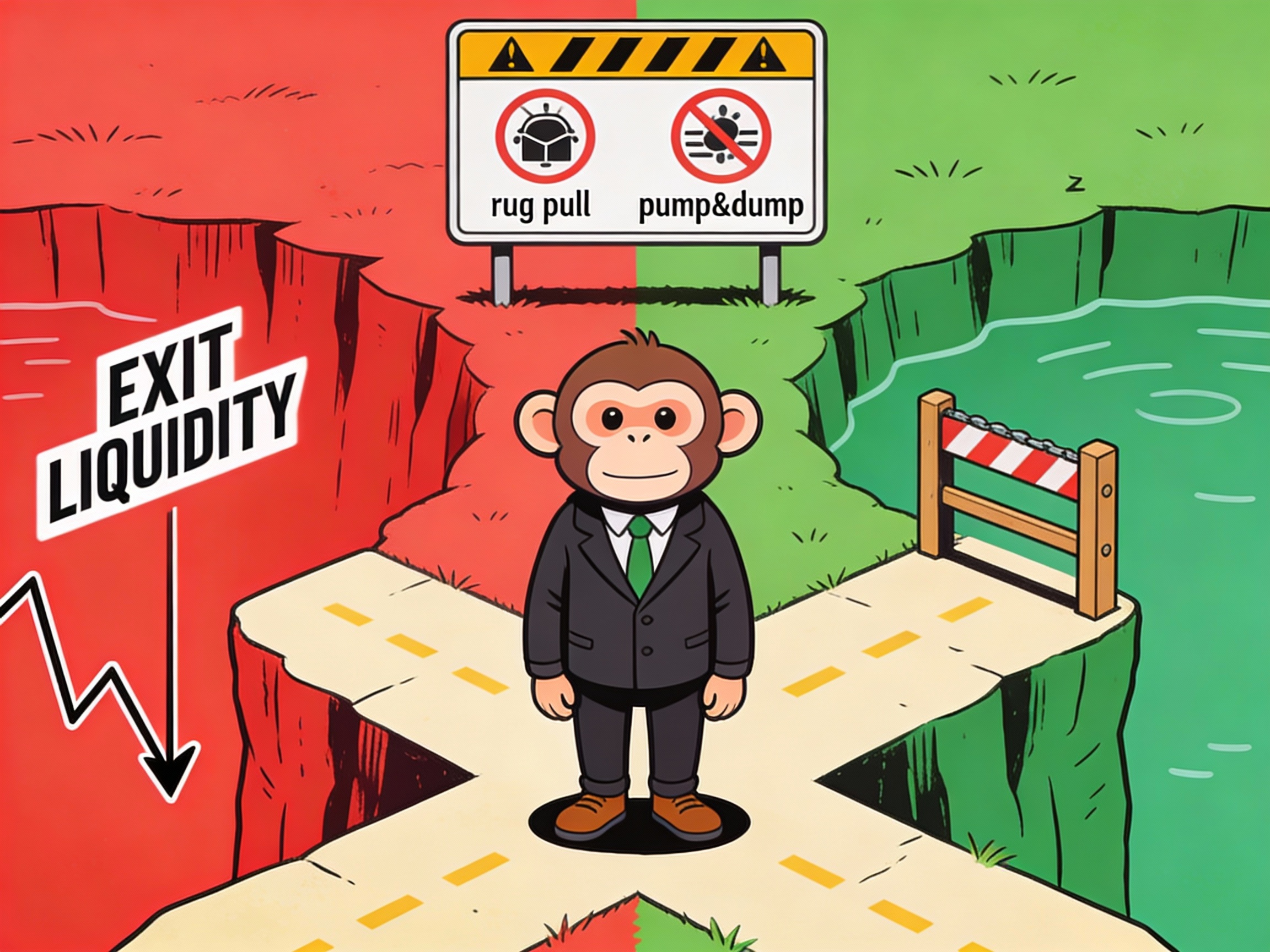
Avoiding Exit Liquidity in Meme Launchpads: How to Spot and Escape Rug Pulls and Liquidity Traps
Table of Contents Introduction: The Exit Liquidity Problem The memecoin market is worth $120B+. But 98% of tokens fail Most fail not from poor tokenomics, but from deliberate exit scams—rug pulls The pattern: Developer launches token with buzz → Investors buy in → Price pumps → Developer drains liquidity and disappears → Token worthless This…
-
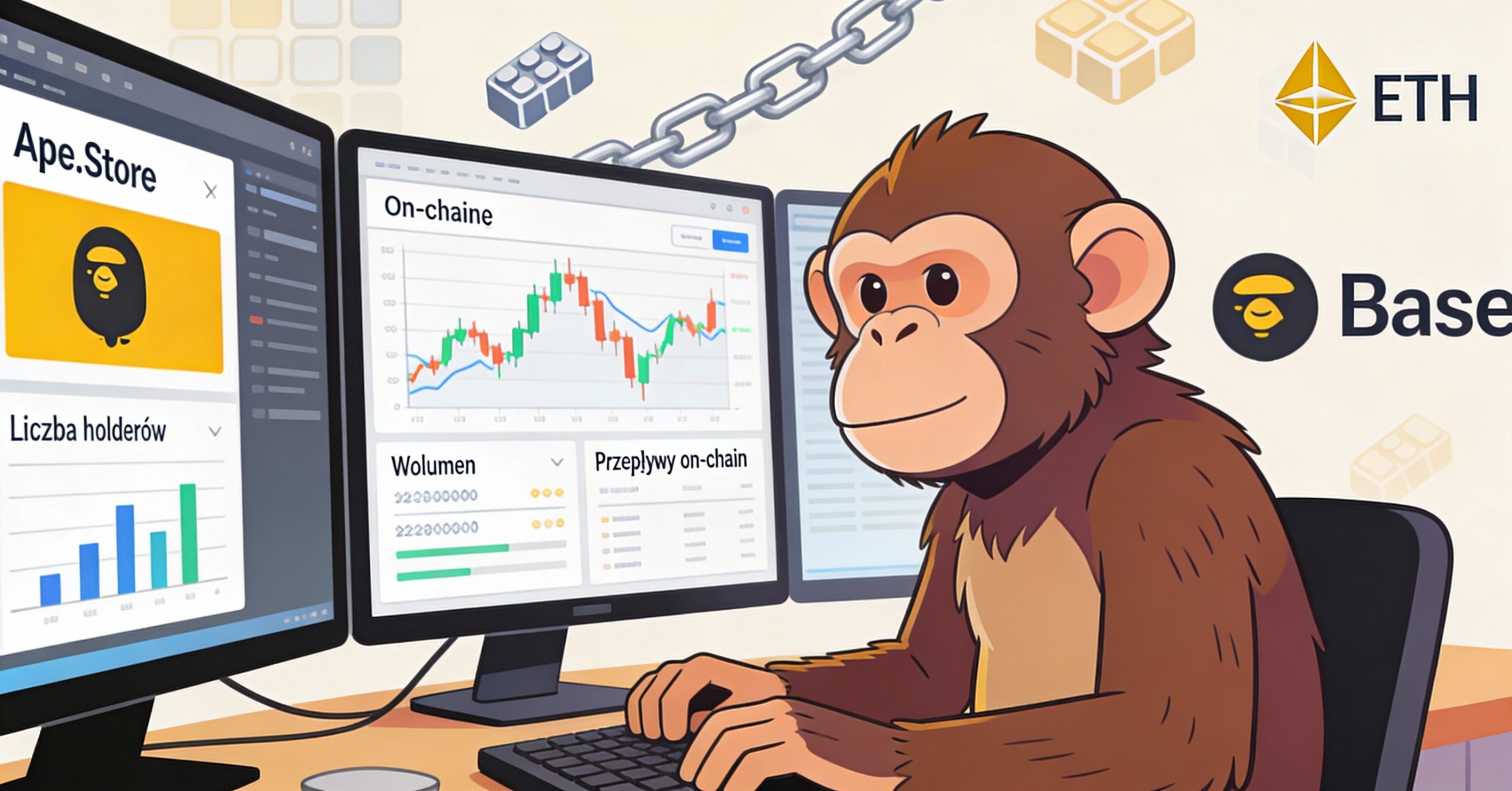
Using On-Chain Analytics for Ape.Store Trading: Data-Driven Strategies to Identify Winners Before They Moon
Table of Contents Introduction: Beyond Charts and Gut Feeling Most traders trading memecoins rely on: Result: 95% lose money On-chain analytics changes this. Instead of guessing, you use real data from the blockchain This guide shows how to use on-chain analytics to trade Ape.Store tokens like an insider would—by following smart money, tracking liquidity, and identifying…
-
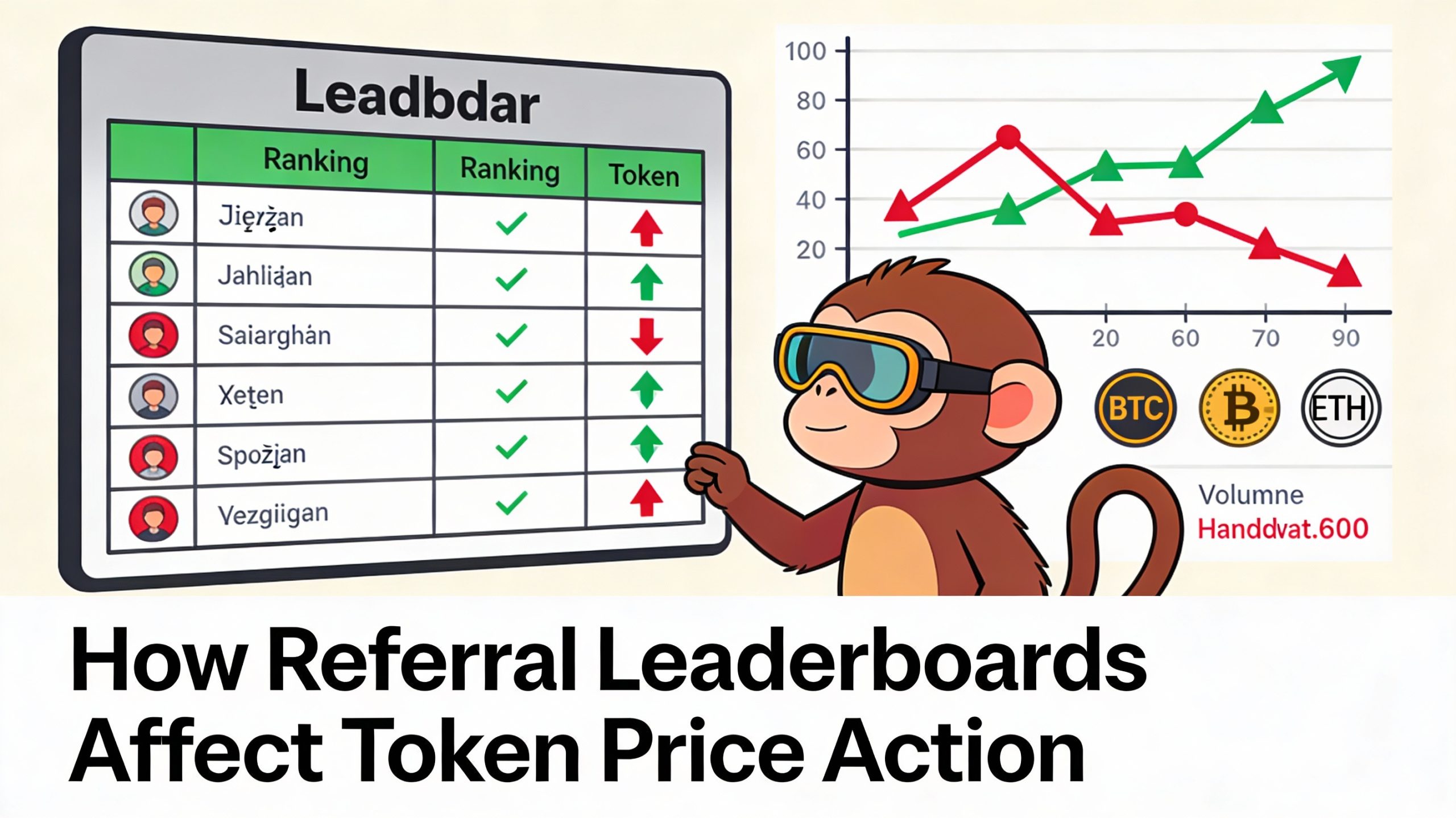
How Referral Leaderboards Affect Token Price Action: The Mechanics of Incentive-Driven Volatility
Table of Contents Introduction: Beyond Tokenomics—The Psychology of Liquidity Token price movements are governed by one fundamental equation: Price = f(Supply, Demand, Liquidity Depth) Most analysis focuses on supply and demand (tokenomics). Few analyze the third variable: liquidity depth Yet liquidity depth is often more important than supply/demand: The insight: Referral leaderboards work by increasing sustained trading volume,…
-
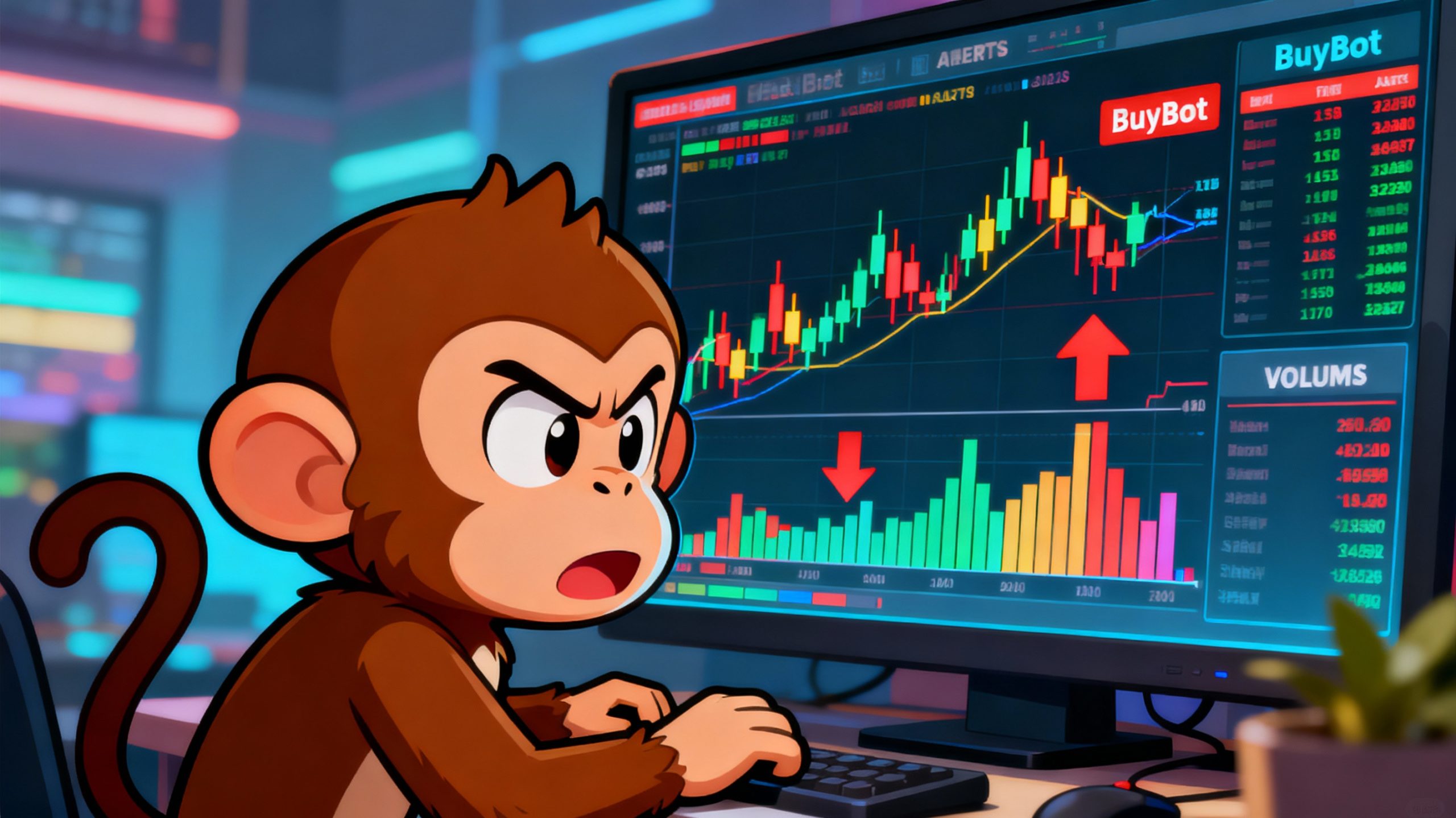
Buybot Alerts as Trading Indicators
“Buybot alert” has become ubiquitous across memecoin trading communities—usually a bot announces a purchase on Farcaster, Discord, or Twitter, triggering retail FOMO. Yet traders rarely stop to ask: What does a buybot alert actually signal? Is it a bullish indicator or a bearish manipulation? Should alerts be interpreted as “insider buying” (positive) or “bot front-running”…
-
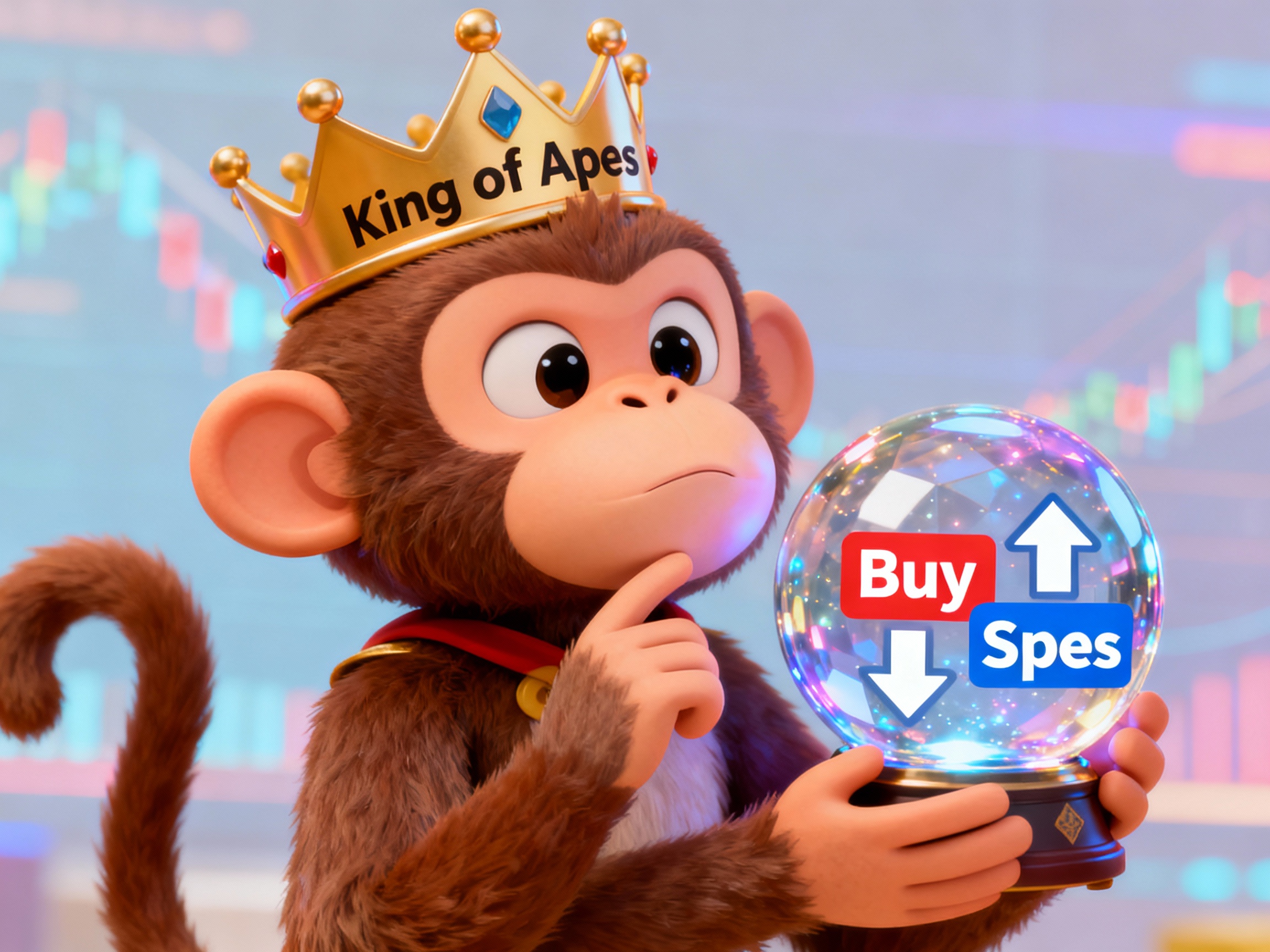
King of Apes as a Signal: Should You Buy or Sell?
The “King of Apes” ranking represents Ape.Store’s highest curation status—projects that have passed multiple quality filters, demonstrated genuine community engagement, achieved sustainability metrics, and earned recognition within the ecosystem. Yet many traders misinterpret what “King of Apes” actually signals. Some assume it’s a “buy signal” (ranking validates project, price will moon). Others assume it’s a…
-
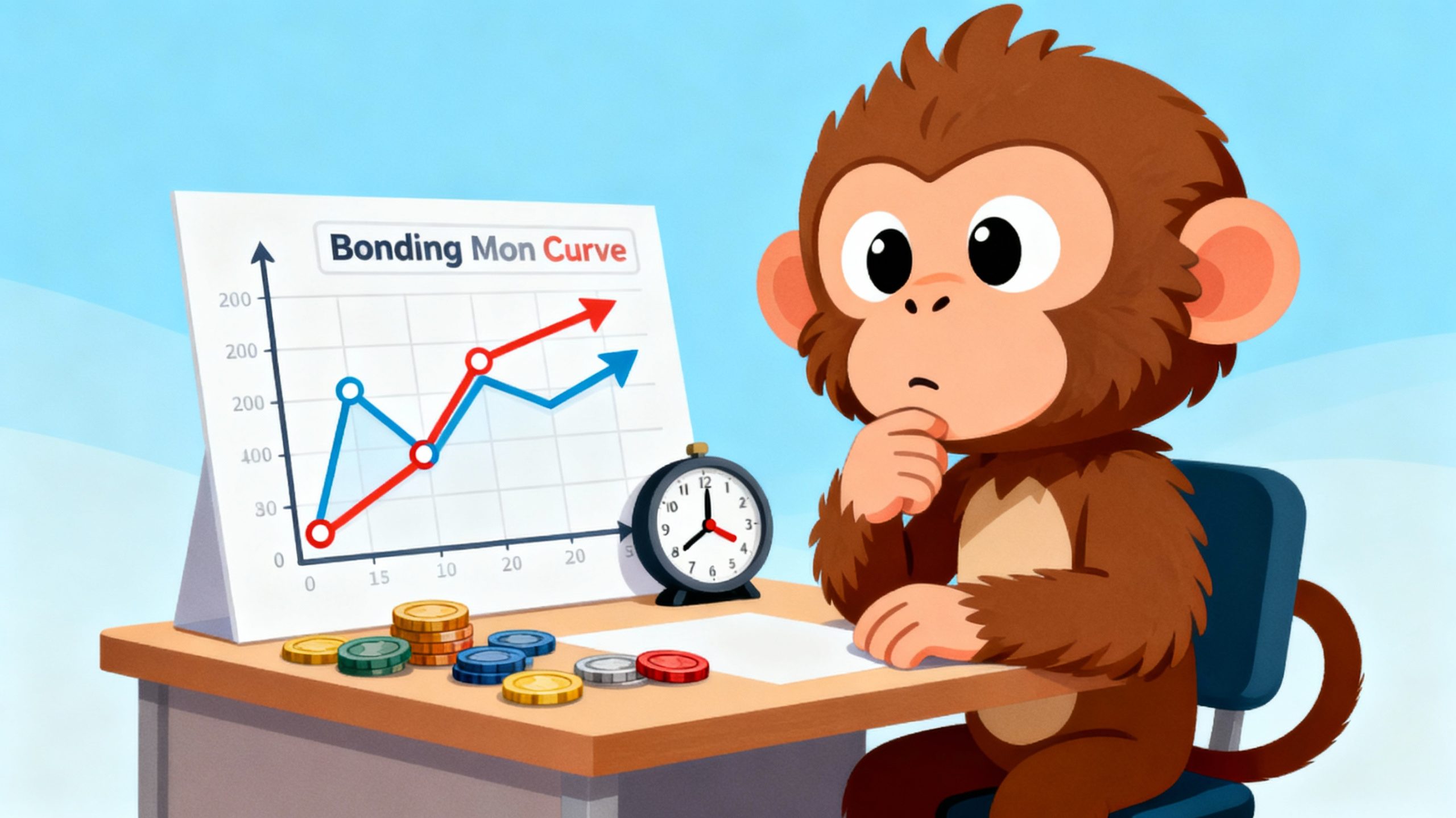
When to Exit: Reading Bonding Curve Momentum
The bonding curve is simultaneously a trader’s best friend and worst enemy. During the accumulation phase, it guarantees execution at predictable prices—safe, reliable, free from slippage surprises. But this safety creates psychological trap: traders assume the curve will continue forever, missing critical signals that graduation is approaching and exit conditions are changing. Understanding how to…
-
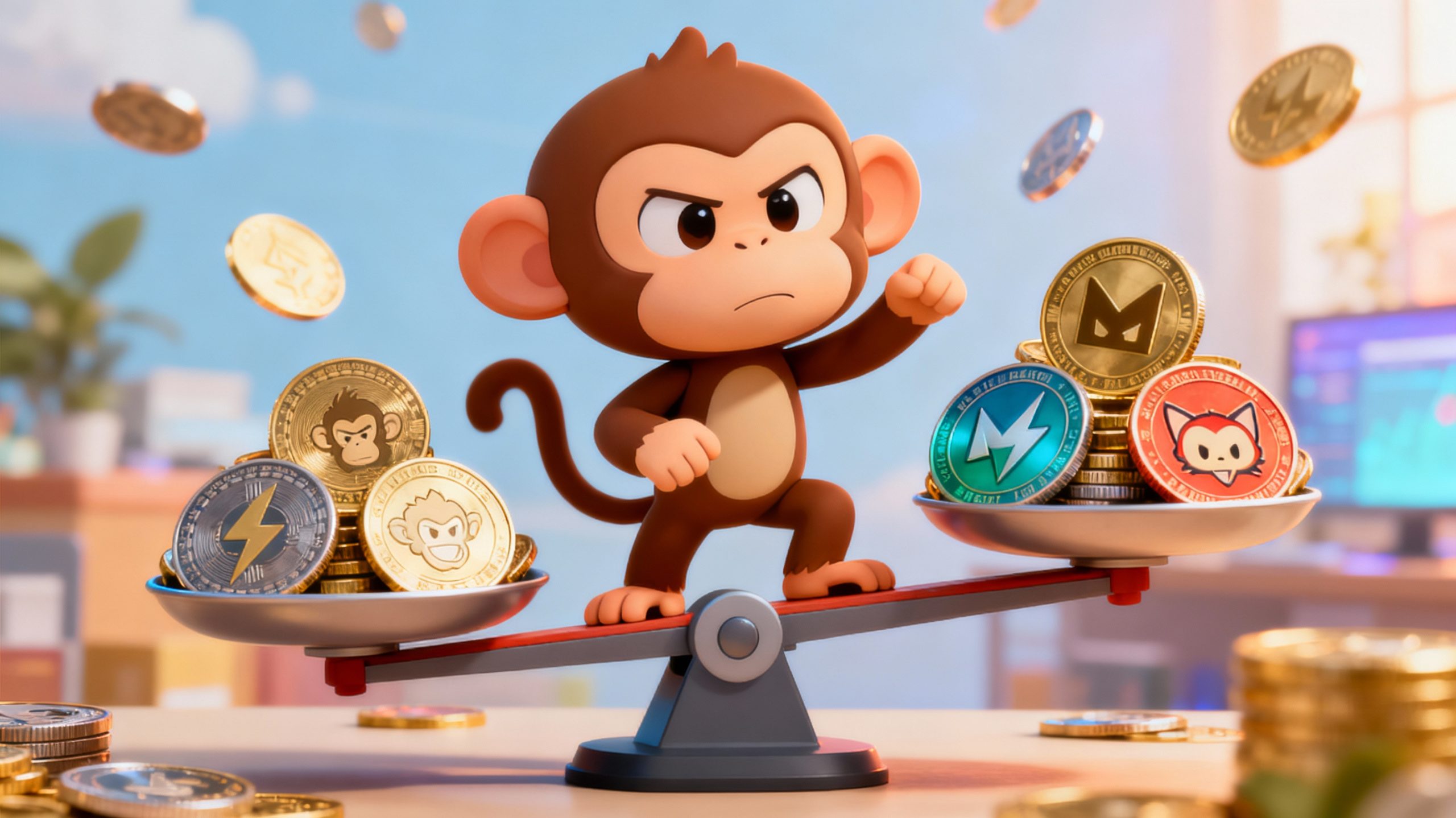
Portfolio Diversification With Meme Coins: Smart or Risky?
Meme coins occupy the highest-risk, highest-volatility segment of crypto markets. Yet traditional portfolio theory suggests diversification across asset classes reduces risk. This creates a paradox: Can including inherently speculative assets actually improve portfolio outcomes? This comprehensive guide examines meme coin diversification through quantitative analysis, historical data, risk-adjusted returns, and practical allocation strategies. By comparing platforms—specifically…
-
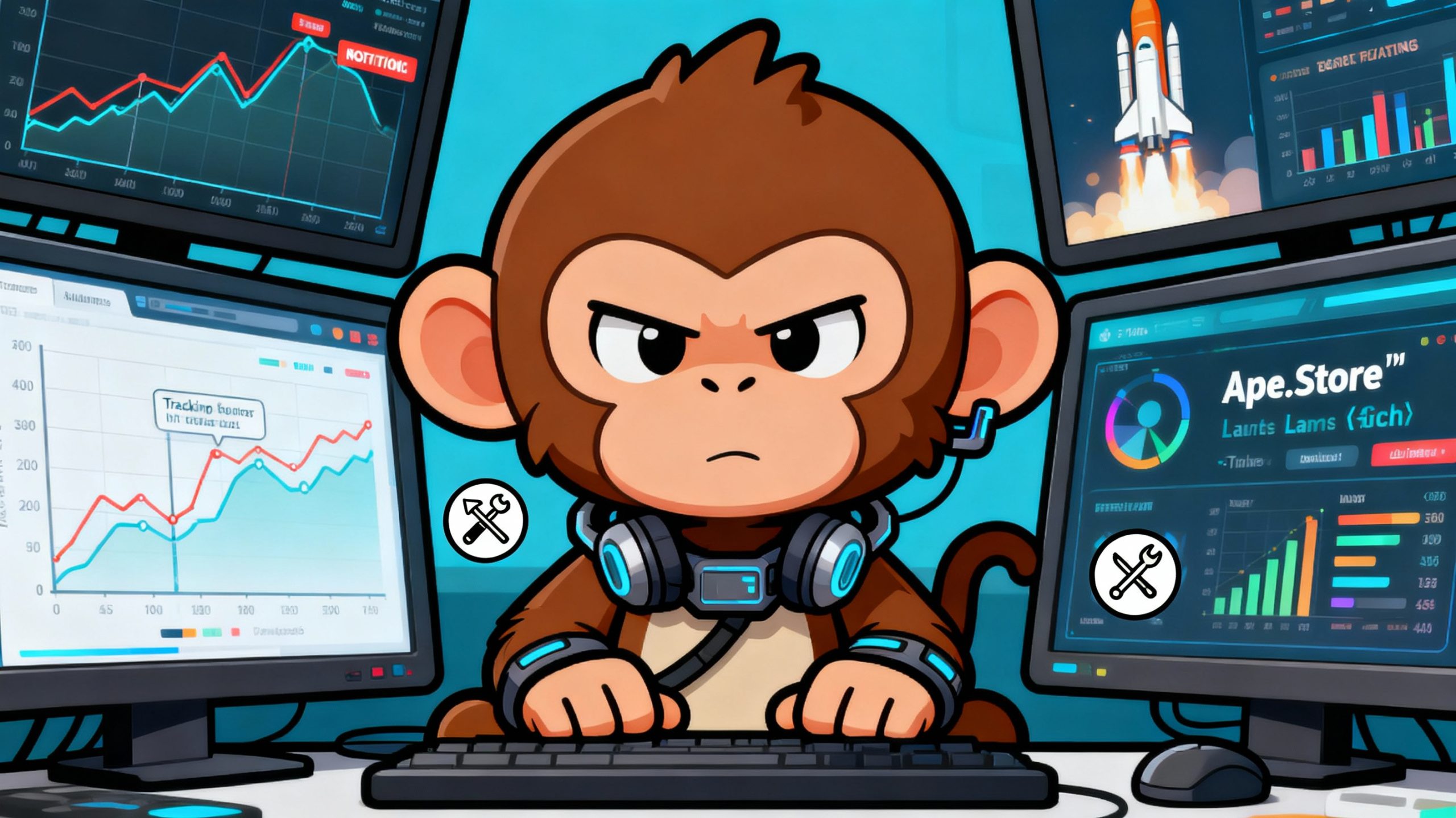
Tools for Tracking Ape.Store Launches in Real Time
Real-time tracking transforms memecoin trading from gambling to strategy. Finding tokens early—before FOMO waves, before bots extract value, before communities collapse—separates profitable traders from bag-holders. Unlike Pump.fun’s transparent trending lists, Ape.Store’s curated approach requires more sophisticated tracking tools and methodologies. This guide examines the complete toolkit for monitoring Ape.Store launches in real-time, comparing available tools,…
-
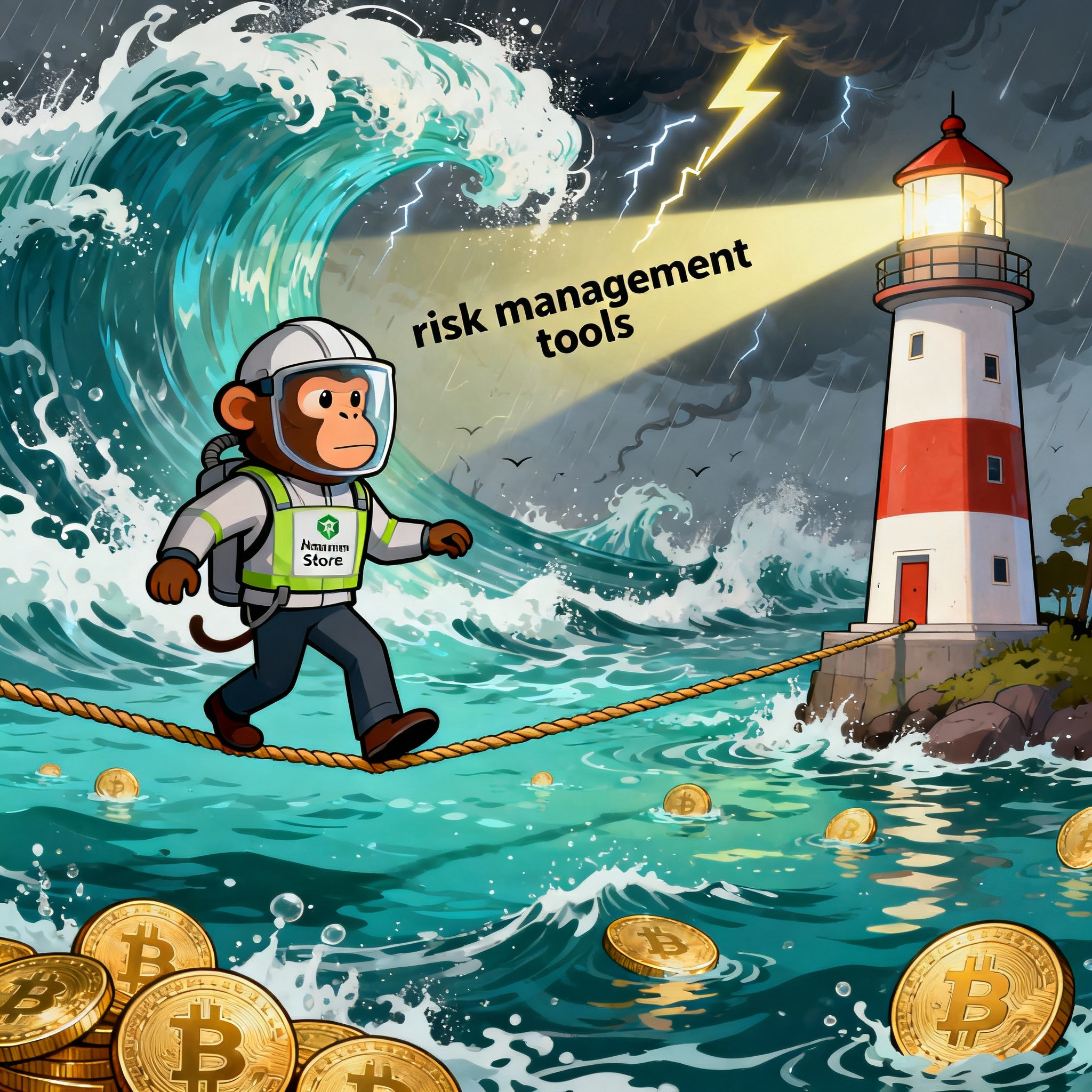
Risk Management for Meme Coin Traders
Risk Management for Traders in 2025 Meme coin trading remains highly attractive in 2025, offering potential rapid gains amidst marked volatility. Yet successful meme coin trading demands robust risk management strategies to protect capital and navigate swift market swings. Understanding the Risks Meme coins are speculative and volatile assets characterized by: Approaching meme coin trading…
-

Pump.fun vs Ape.Store: Which Platform Gives Early Buyers Higher ROI?
Pump.fun vs Ape.Store: Understanding Early Buyer Dynamics in Memecoin Launchpads Early return on investment (ROI) is a critical consideration for memecoin traders evaluating launchpad platforms. Both Pump.fun and Ape.Store offer bonding curve mechanisms designed to reward early participation, but they operate on different blockchains with distinct trade-offs. Understanding these differences—and the inherent risks—is essential for…