
Category: Pump.fun vs Ape.Store Comparisons
-
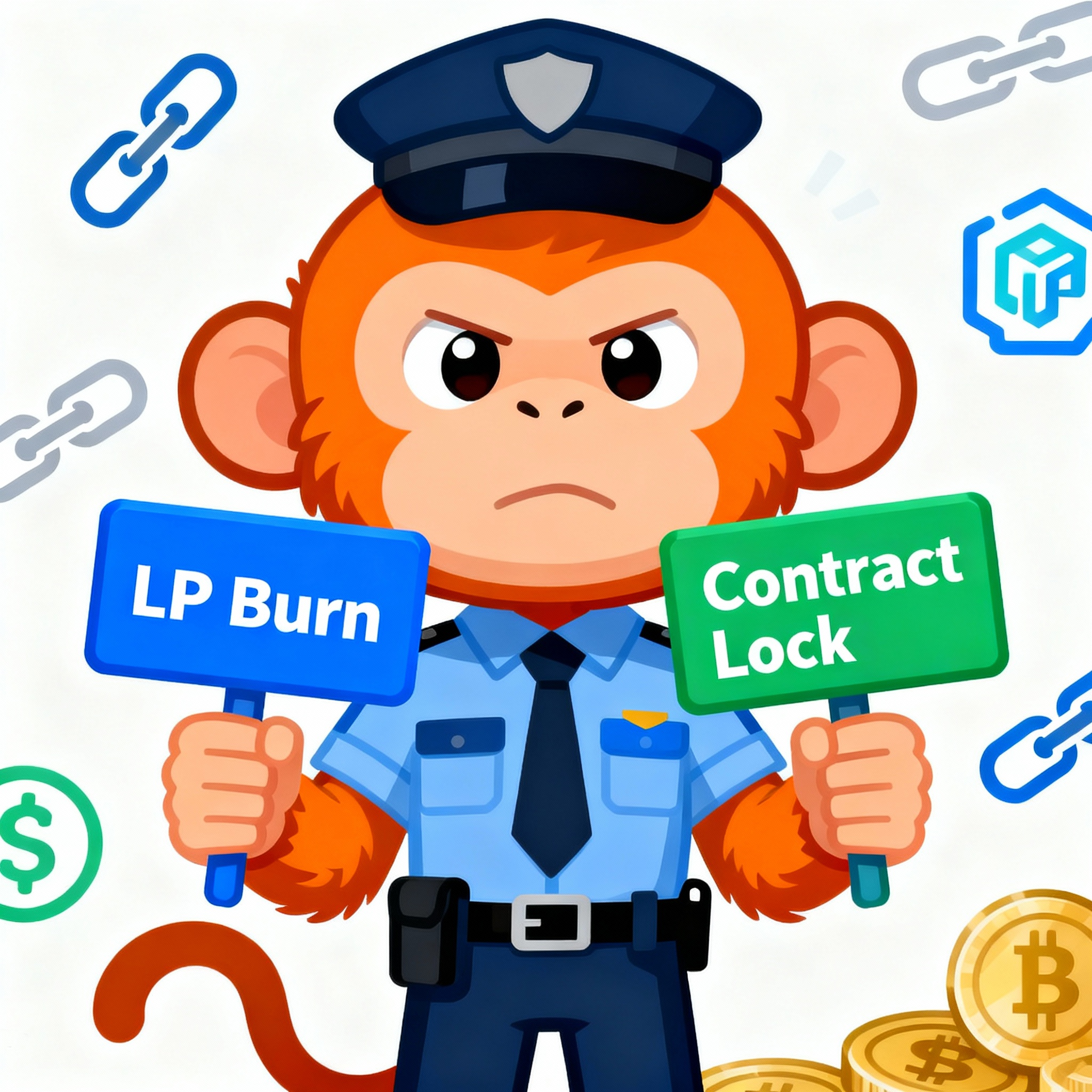
Security Models: LP Burn vs Contract Lock
Liquidity security is the fundamental trust requirement in memecoin markets. “Rug pull”—where creators withdraw liquidity pools and disappear—remains the most common failure mode, destroying billions in retail capital. Two competing security models have emerged: LP token burning (permanent destruction) and contract-based time locks (temporary restrictions). Understanding the philosophical, technical, and practical differences reveals why one…
-
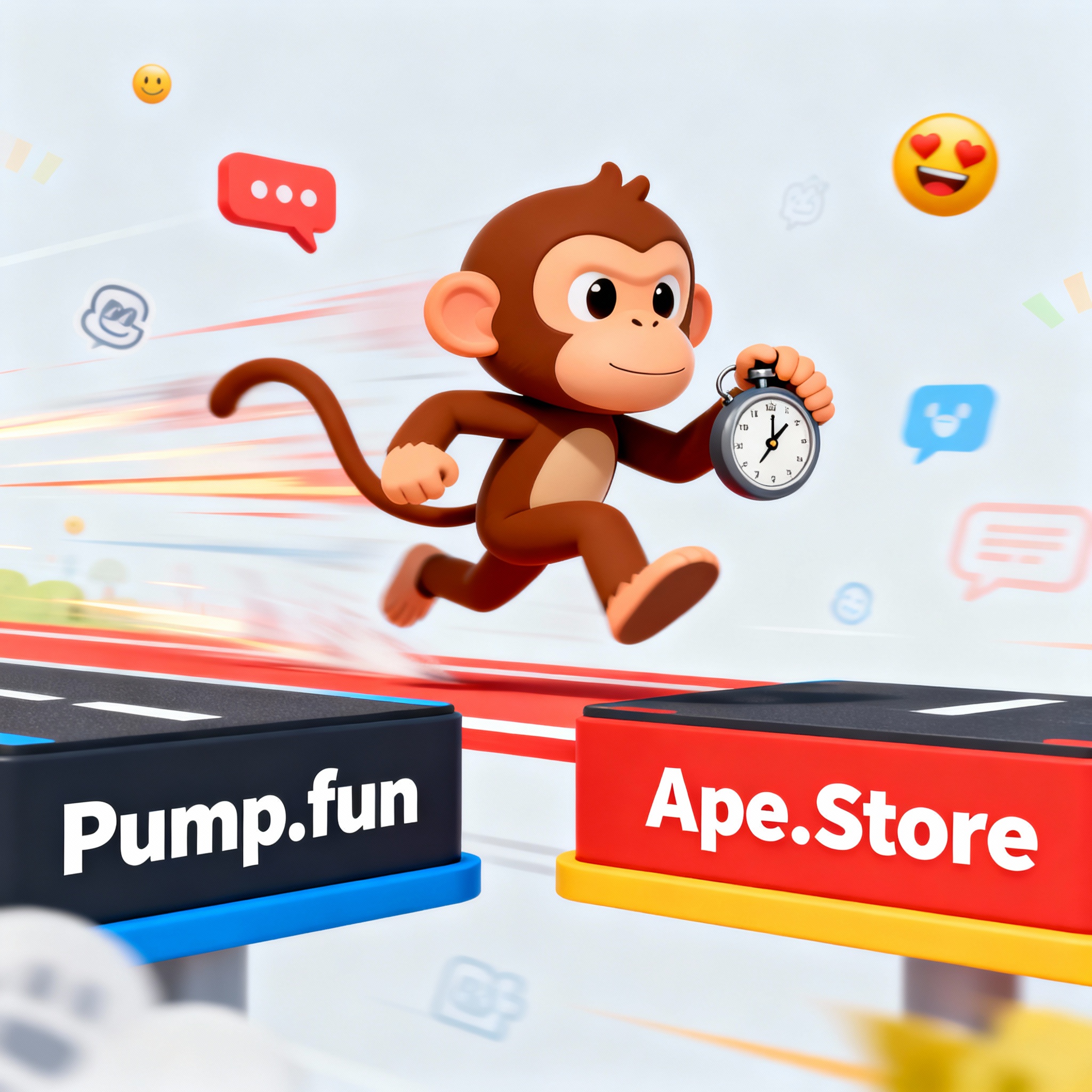
Meme Speedruns: Launch Times on Pump.fun vs Ape.Store
Speed is a competitive advantage in memecoin markets. Being first to a trend means capturing early adopters, setting narrative, and benefiting from launch momentum. But platform launch speed involves more than just seconds—it encompasses entire workflows from token creation to first trade. This comprehensive guide examines launch velocity across both platforms, measures real-world timing differences,…
-
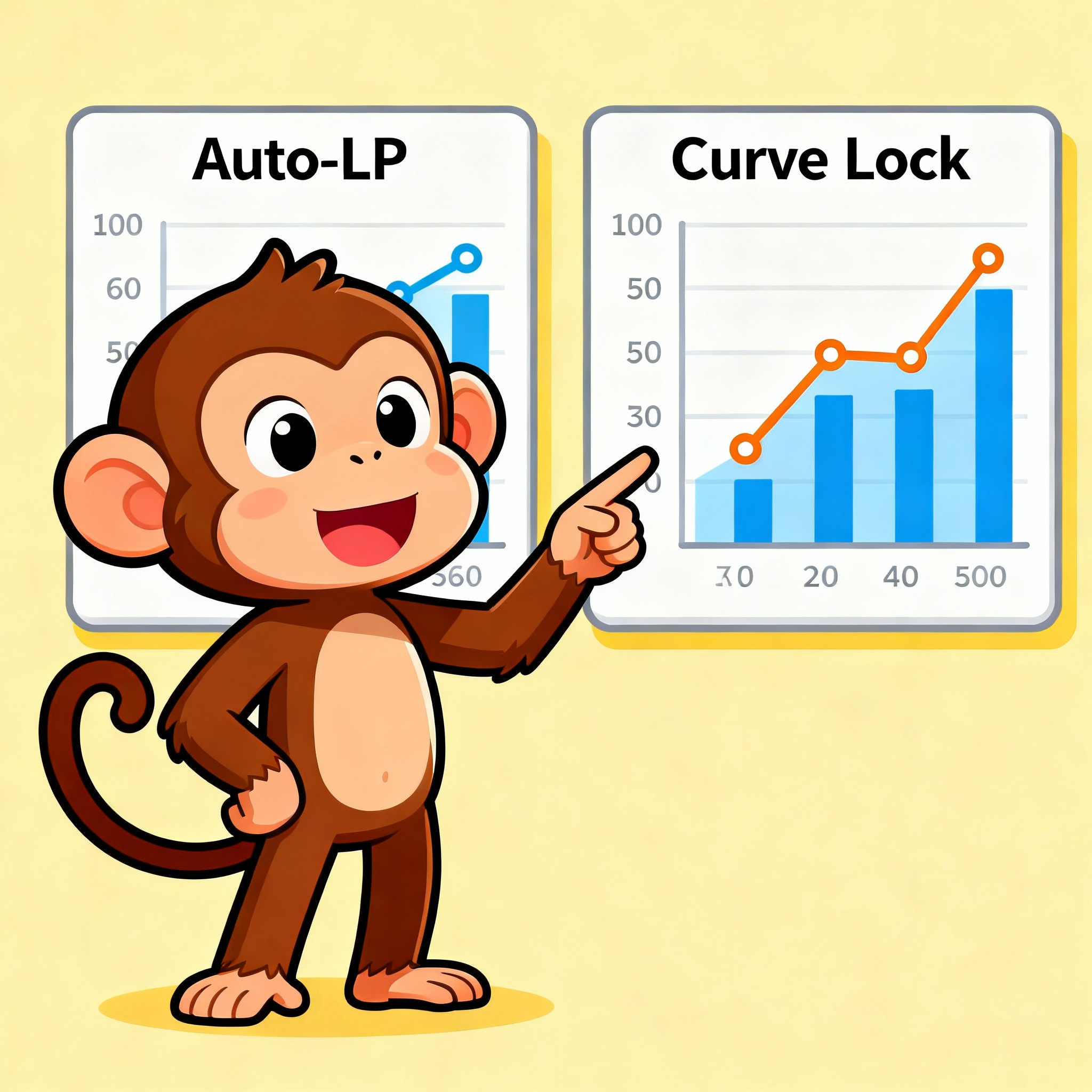
How Liquidity Is Handled Differently: Auto-LP vs Curve Lock
Liquidity management is the critical infrastructure difference between successful memecoin ecosystems and volatile casinos. Two fundamentally different approaches have emerged: Pump.fun’s manual liquidity migration to Raydium, and Ape.Store’s automatic liquidity locking with permanent burns. Understanding these mechanisms—their technical implementation, security implications, and long-term consequences—reveals why platform design choices matter far more than most traders realize.…
-

Case Study: Token That Exploded on Pump.fun vs Ape.Store
Community engagement separates thriving memecoin ecosystems from disposable speculation vehicles. Two fundamentally different philosophies have emerged: Pump.fun’s competitive leaderboard model and Ape.Store’s “King of Apes” community infrastructure. These aren’t just different features—they represent competing visions of what memecoin communities should become. This guide examines both approaches, their psychological impacts, community outcomes, and which model actually…
-
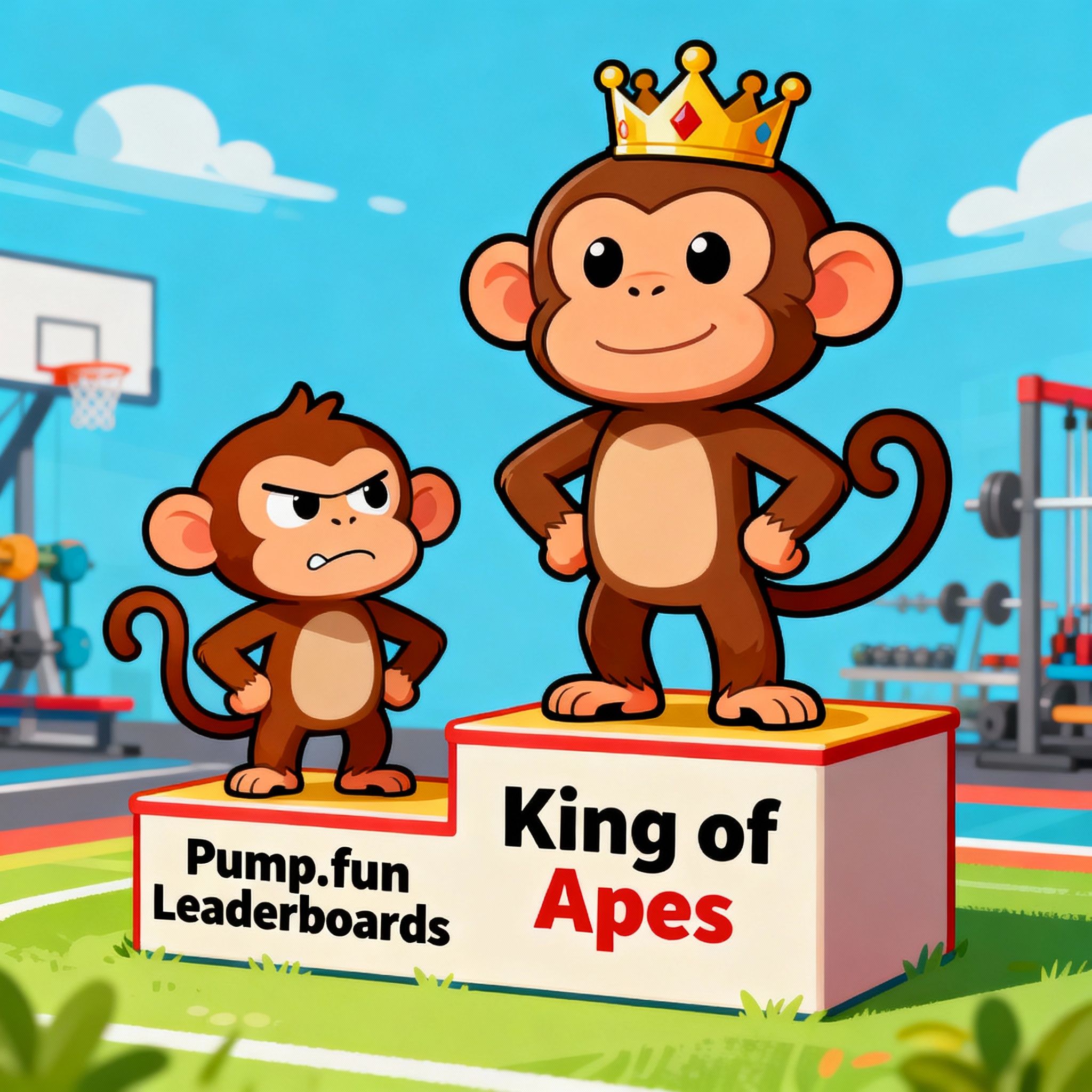
Community Features: King of Apes vs Pump.fun Leaderboards
Community engagement separates thriving memecoin ecosystems from disposable speculation vehicles. Two fundamentally different philosophies have emerged: Pump.fun’s competitive leaderboard model and Ape.Store’s “King of Apes” community infrastructure. These aren’t just different features—they represent competing visions of what memecoin communities should become. This guide examines both approaches, their psychological impacts, community outcomes, and which model actually…
-
Anti-Bot Protections: Pump.fun vs Ape.Store
Bot activity dominates memecoin markets, extracting value from retail traders through sophisticated strategies: front-running, sandwich attacks, sniping, and wash trading. Understanding how different platforms protect against bots—or fail to—determines whether retail traders have any chance of competing fairly. This guide examines bot strategies, platform defenses, how Pump.fun and Ape.Store differ in anti-bot protections, and what…
-
Fee Structures Compared: Who Pays Less, Creators or Traders?
The memecoin launchpad ecosystem involves complex fee structures that affect both creators launching tokens and traders participating in trading. Understanding who bears the actual cost burden—and how different platforms distribute fees—is essential for making informed decisions about which platforms to use. This comprehensive guide examines fee structures across major platforms, quantifies real costs for different…
-
Base vs Solana: Technical Comparison for Meme Traders in 2025
Selecting the right blockchain is a critical decision for memecoin traders and creators. Base and Solana represent distinct architectural approaches, each with genuine trade-offs relevant to memecoin ecosystems. Understanding these differences helps inform platform selection aligned with specific priorities. Core Blockchain Architectures Solana: Layer 1 with High Transaction Throughput Solana is designed as a high-speed…
-
Trading Experience: Ape.Store UI vs Pump.fun UI
User interface design significantly impacts the memecoin trading and creation experience. Ape.Store and Pump.fun represent different philosophical approaches to onboarding, visualization, and community engagement. Understanding these differences helps users select the platform matching their needs and technical comfort level. Ape.Store UI: Security and Transparency Focus Ape.Store’s interface prioritizes clarity and verifiable on-chain mechanics. Onboarding Process:…
-
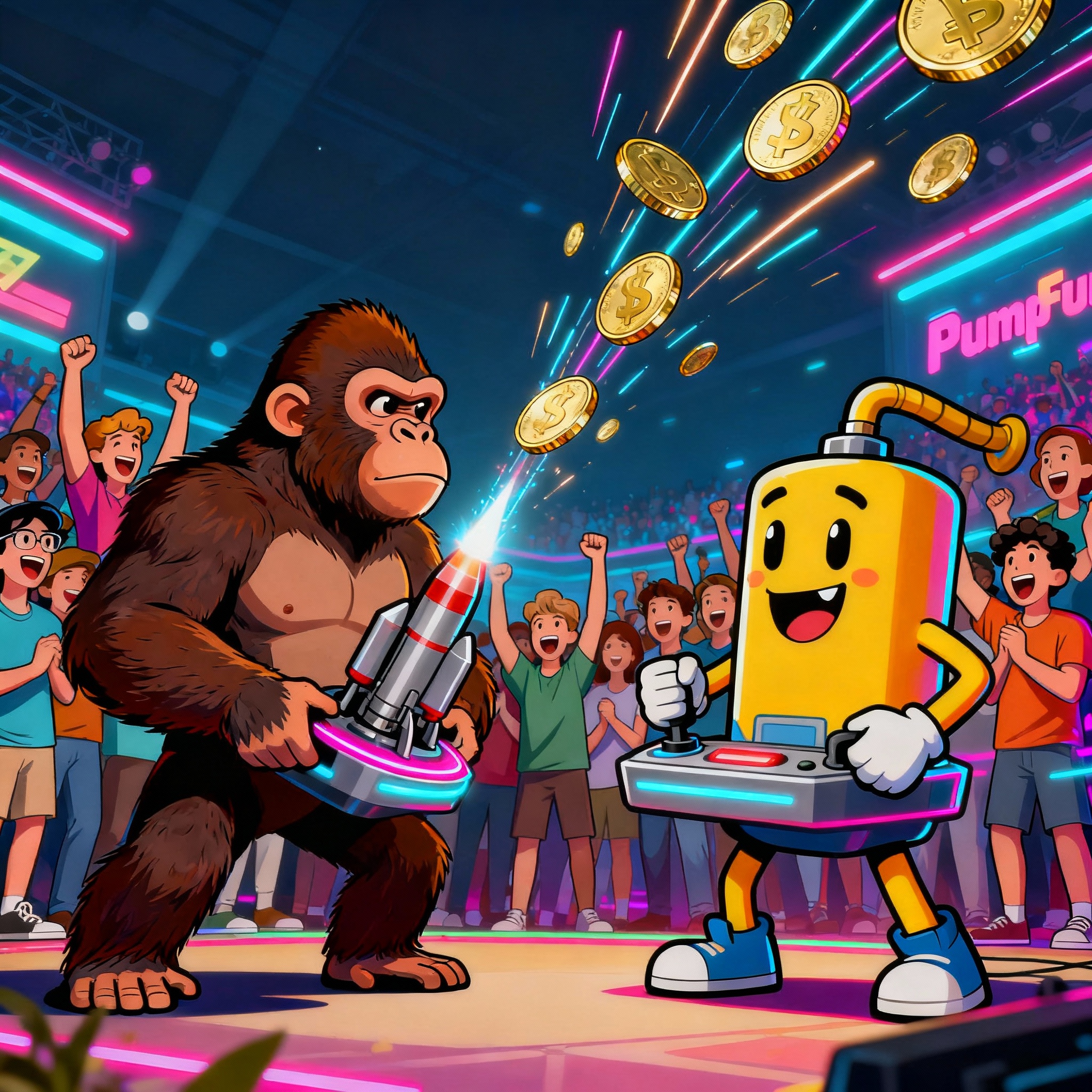
Ape.Store vs Pump.fun: Which Launchpad Is Better for Creators?
Pump.fun dominated the market quickly and aggressively. Most new projects launch there—primarily because everyone else does. But for serious creators who genuinely care about long-term value and security, Ape.Store represents an evolution in what launchpads can be in 2025. Platform Overview: Beyond Marketing Numbers Pump.fun – Success Through Scale, Not Quality Yes, Pump.fun has 73.6%…