
Category: DeFi Mechanics & Advanced Insights
-

Incentive Design: Referral Leaderboards as Growth Hacks
Referral systems are among the most misunderstood growth mechanisms in crypto. When poorly designed, they create pyramid schemes, spam networks, and community destruction. When properly engineered, they become powerful flywheel mechanisms that align individual growth incentives with viral community expansion. The difference between success and failure lies entirely in incentive structure: how much reward, who…
-
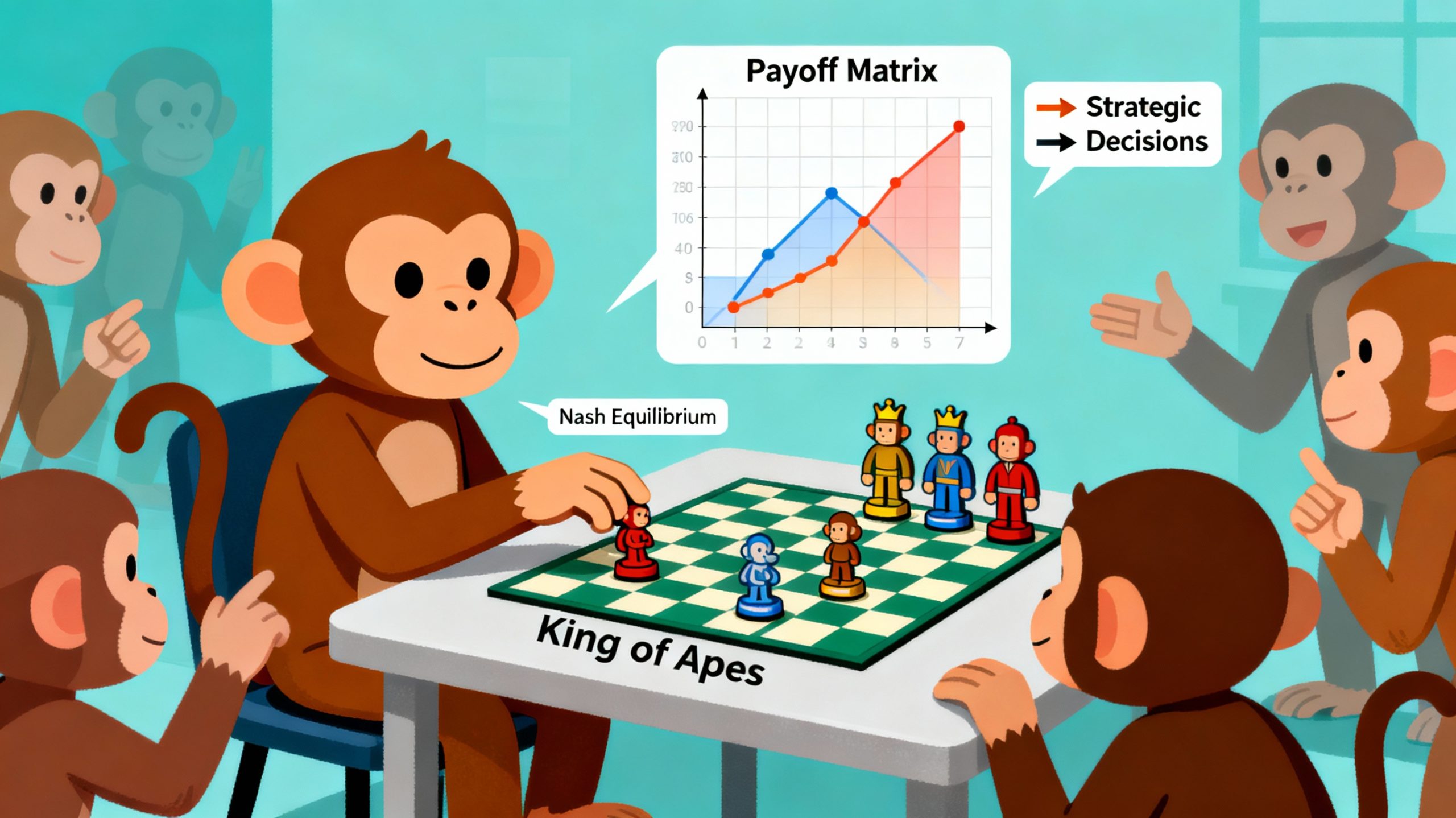
Game Theory of King of Apes Competitions
King of Apes competitions represent a deliberate game theory design that transforms passive holding into active participation, aligns individual incentives with community success, and creates sustained engagement through competitive but collective dynamics. Yet most traders don’t recognize what’s actually happening beneath the surface: a sophisticated incentive structure engineered to solve the fundamental memecoin problem—how to…
-
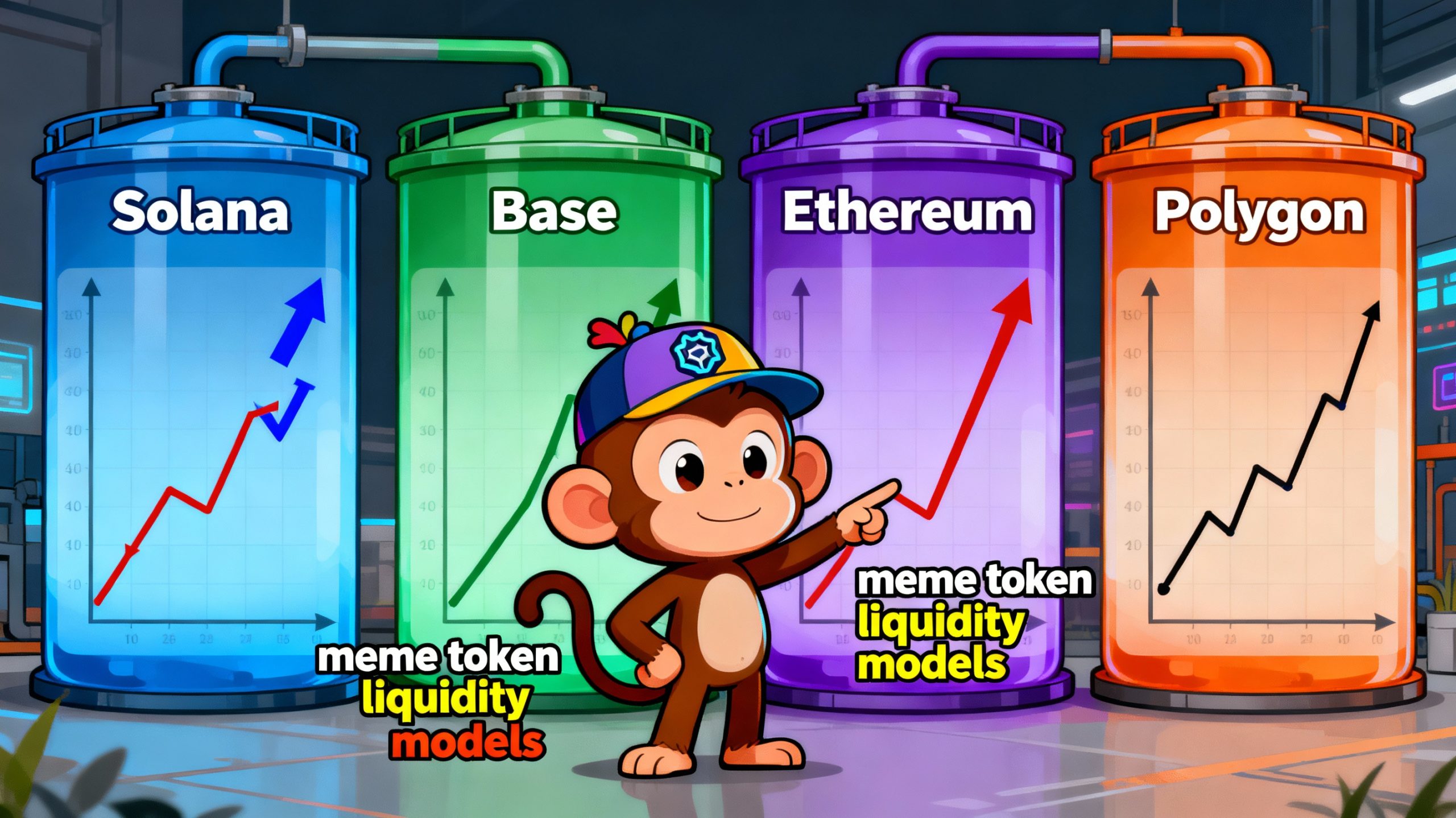
Comparing Meme Liquidity Models Across Chains
Liquidity is the invisible infrastructure beneath every memecoin trade. Without sufficient liquidity, tokens become untradeable—prices spike on small buys, crash on small sells, and communities evaporate as traders realize they can’t exit. Yet liquidity models vary dramatically across blockchains, each with distinct trade-offs that shape the memecoin experience. Solana’s SPL tokens paired with Raydium create…
-

Hook Architecture in Uniswap v4 and Its Use in Ape.Store
Uniswap v4 introduces “hooks”—a revolutionary smart contract architecture enabling custom logic to execute before, during, and after liquidity pool operations. For memecoin ecosystems, hooks represent a quantum leap in what’s possible: dynamic fee structures, community-controlled mechanisms, anti-bot protections, and novel reward systems can be embedded directly into trading infrastructure. This guide examines hook architecture in…
-
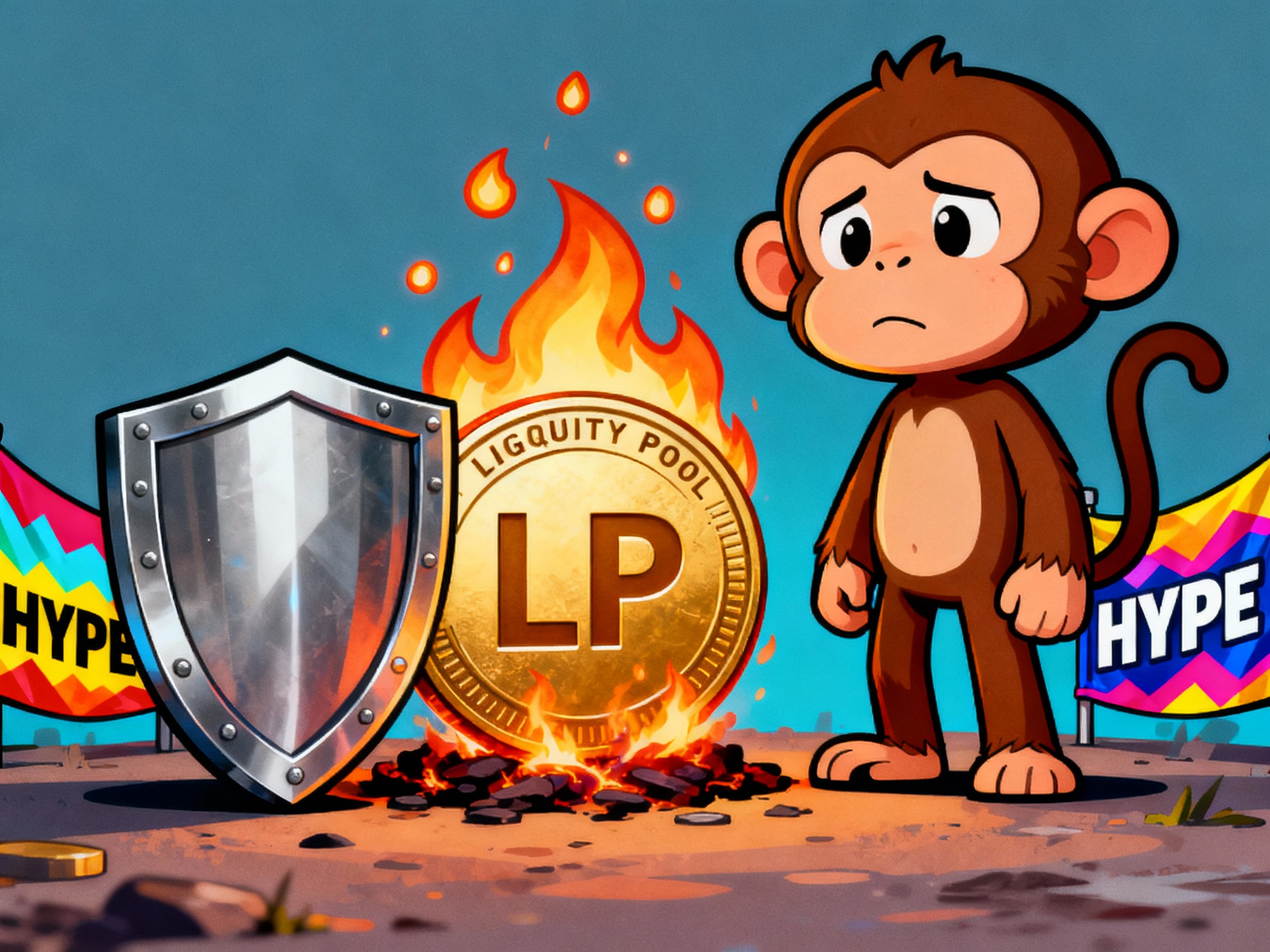
LP Burn Mechanisms: Security or Marketing Hype?
“LP tokens burned” has become the memecoin industry’s stamp of approval—a guarantee against rug pulls that projects advertise prominently. But does burning liquidity provider tokens actually prevent exploitation, or is it sophisticated marketing that obscures more dangerous vulnerabilities? This guide examines LP burn mechanics in technical detail, analyzes what security guarantees they actually provide versus…
-
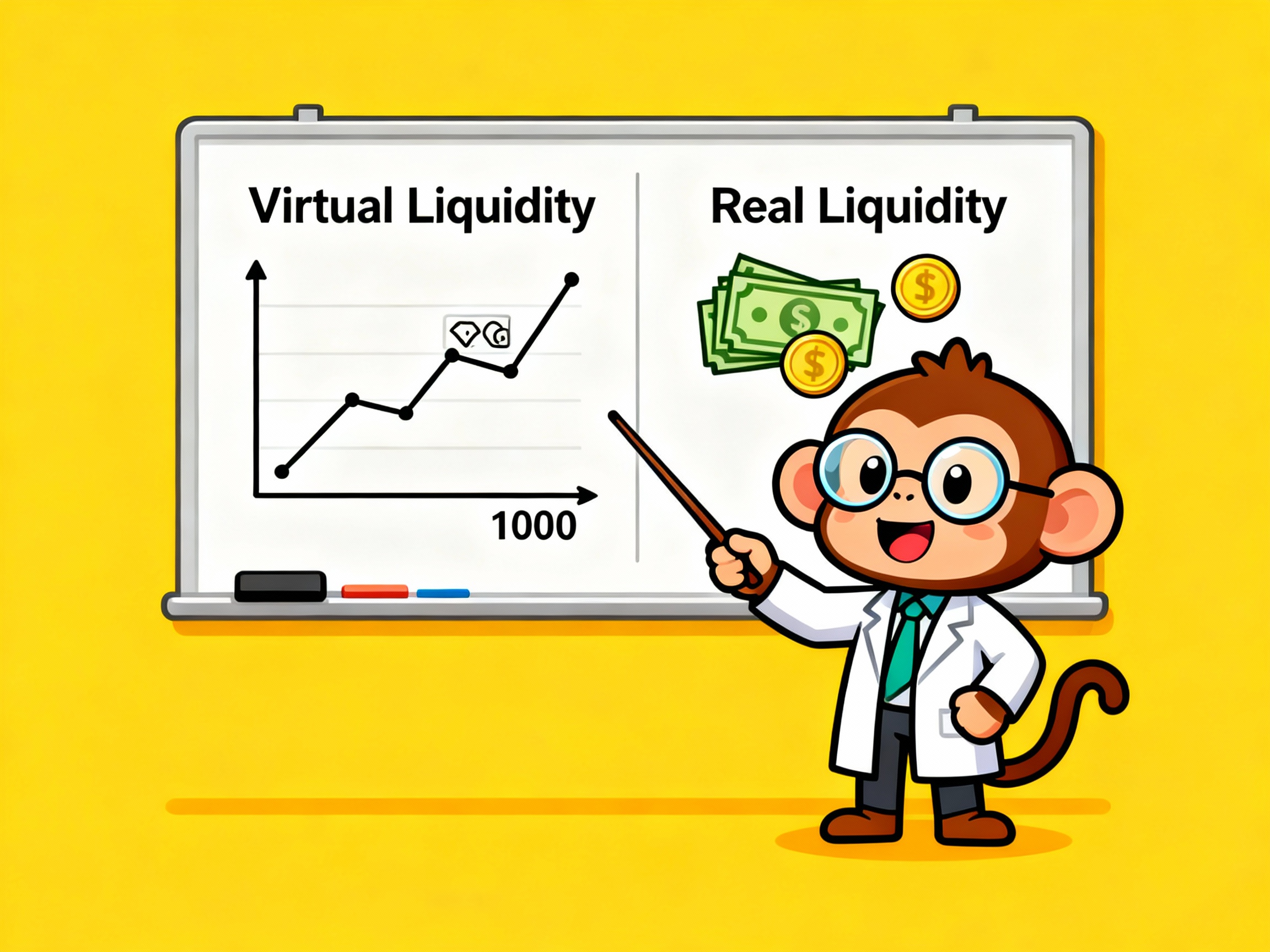
Virtual Liquidity vs Real Liquidity: Technical Distinctions
Liquidity is the most misunderstood concept in memecoin markets. Traders assume “liquidity pool” means reliable exit capability, but this assumption often proves catastrophic. The distinction between virtual liquidity (theoretical, on bonding curves) and real liquidity (practical, on DEXs) determines whether traders can actually exit positions or become permanently trapped. This guide examines the technical differences, how each type functions,…
-
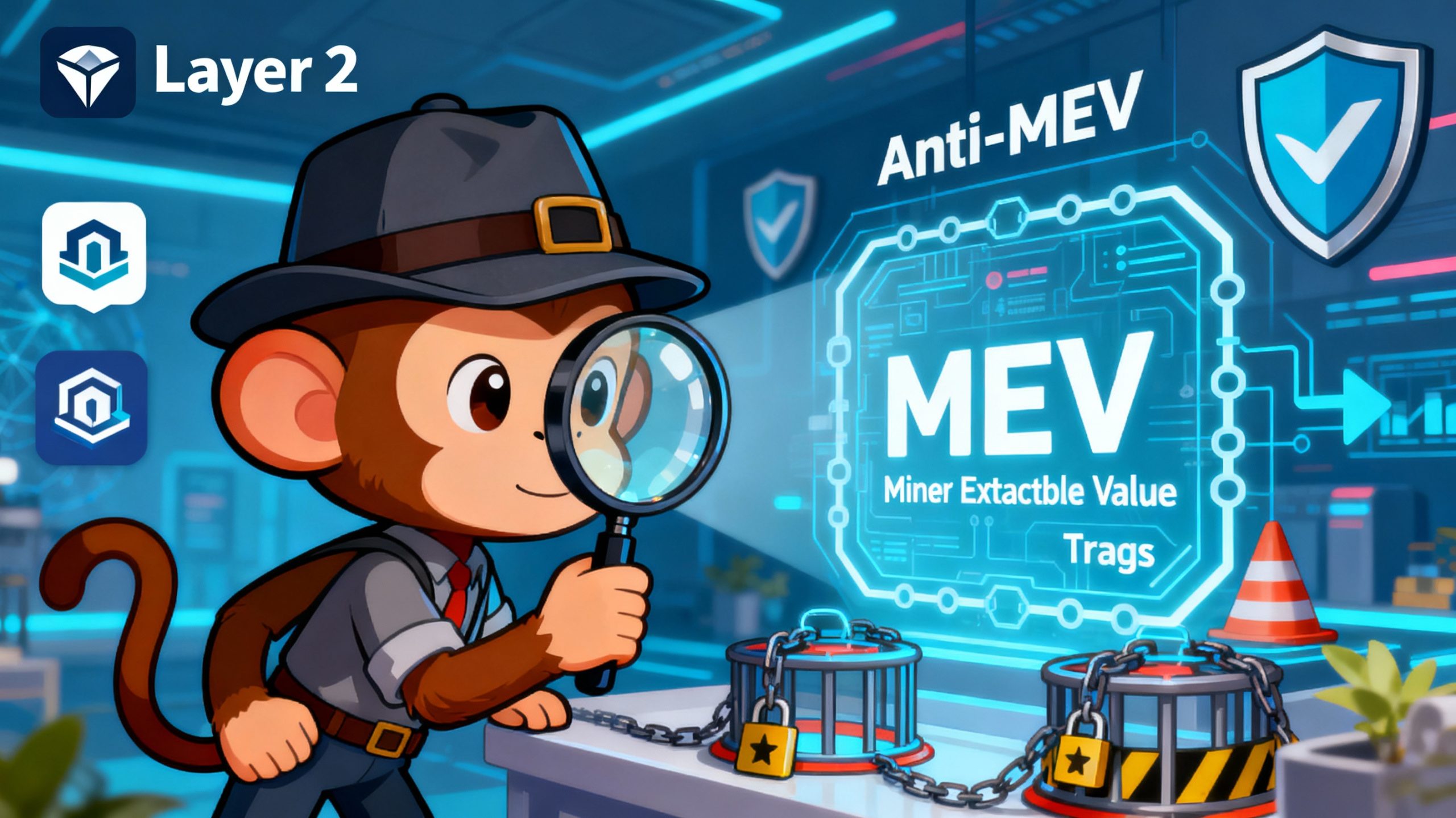
Anti-MEV in Layer-2 Environments Explained
Maximal Extractable Value (MEV)—the profit extracted by bots through transaction ordering manipulation—costs retail traders billions annually. Layer-2 blockchain environments offer architectural advantages for reducing MEV compared to Layer-1 chains, yet most traders remain unaware these protections exist or how they function. This comprehensive guide examines MEV mechanics, how Layer-2 solutions mitigate it, and critically, how…
-

Uniswap v3 vs v4 Fee Sharing: Ape.Store’s Innovation
Uniswap v3 vs v4: Fee Sharing Innovations and Ape.Store’s Advanced Integration Uniswap revolutionized decentralized trading by introducing concentrated liquidity and tiered fee structures with v3. Uniswap v4 builds on this foundation, offering dynamic fee customization, architectural improvements, and programmable hooks that redefine fee sharing on decentralized exchanges. Key Differences in Fee Sharing and Architecture Fixed Tiers vs…
-

Why $69k MCAP? The Logic Behind Auto-Listing Threshold
The $69,000 Market Cap Threshold for Automatic Uniswap v2 Listing on Ape.Store The $69,000 market capitalization (MCAP) threshold for automatic token listing on Uniswap v2 via Ape.Store represents a carefully considered point designed to protect investors, ensure adequate liquidity, and support fair price discovery. Why Does Ape.Store Use an MCAP Threshold? Ensuring Sufficient Liquidity By…
-
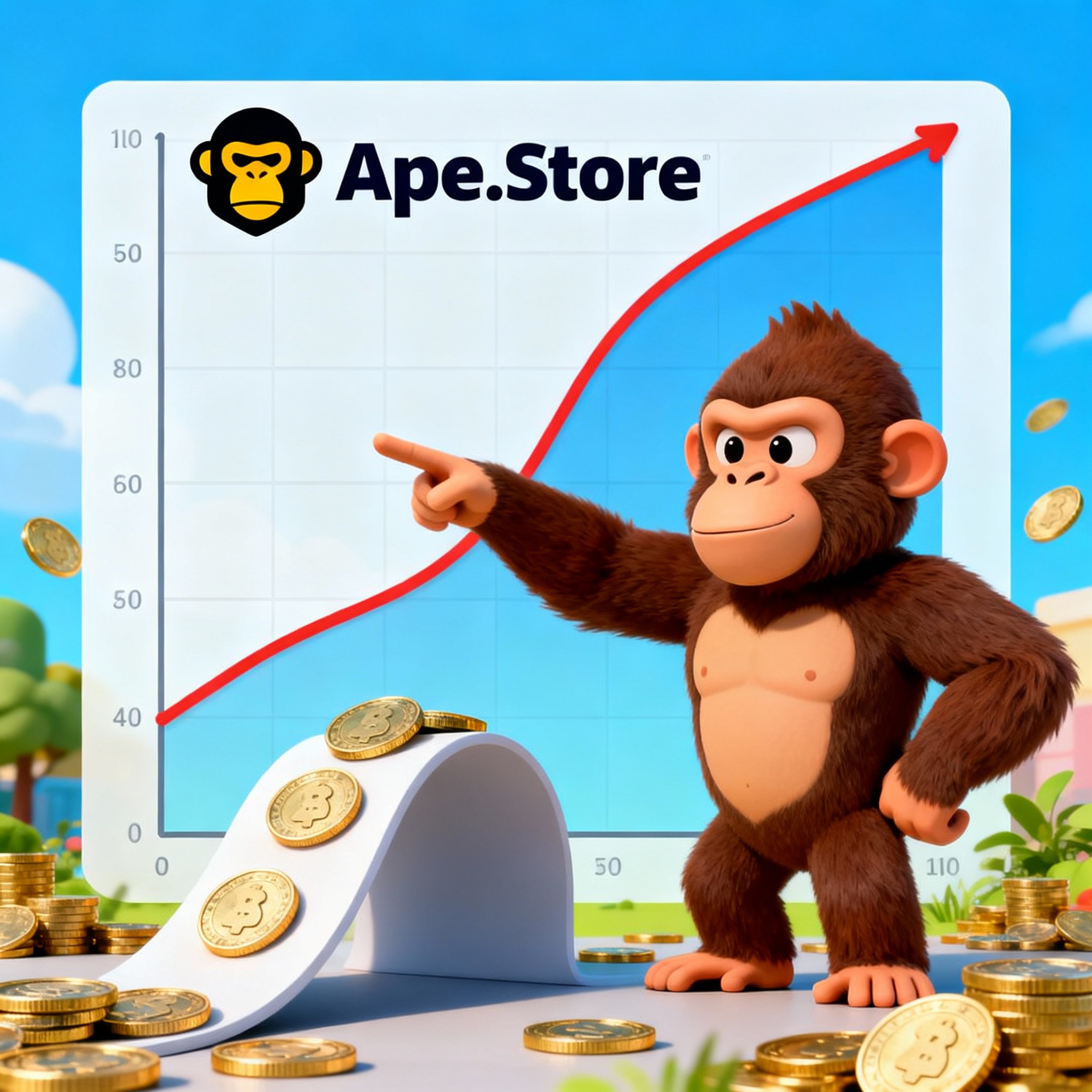
How Bonding Curves Shape Price Discovery in Ape.Store
Bonding curves are at the core of how Ape.Store determines token pricing and liquidity. They enable seamless price discovery without traditional order books, letting creators and investors engage in transparent, automated markets. Understanding this mechanism is key to navigating token economics on Ape.Store. What Is a Bonding Curve? A bonding curve is a mathematical model that defines…