
Author: ape
-

How Farcaster Mini-Apps Create On-Chain Virality
Farcaster has emerged as crypto’s native social layer, but what distinguishes it from Twitter isn’t just different users—it’s architectural capability. Mini-apps (also called “frames”) enable interactive experiences directly embedded in posts, transforming passive social engagement into active on-chain participation. A single Farcaster post can now launch tokens, execute trades, claim airdrops, or vote on governance—all…
-
Meme Coin Influencers: Who to Watch in 2025
Influencer culture has become inseparable from memecoin market dynamics. A single tweet from the right person can drive millions in volume; silence from expected voices can signal disinterest and trigger crashes. Yet most retail traders can’t distinguish between legitimate influencers building authentic communities and mercenary promoters dumping bags. This guide examines the memecoin influencer landscape…
-

Turning Ape.Store Referral Battles Into Social Media Content
Referral programs are standard in crypto platforms—but most execution is boring. A referral link in bio, occasional mention, maybe a generic “join using my link” post. Yet the most successful memecoin promoters transform referral mechanics into engaging content: competitions, rivalries, leaderboard updates, community challenges that make their audience want to participate. This guide examines how to convert…
-
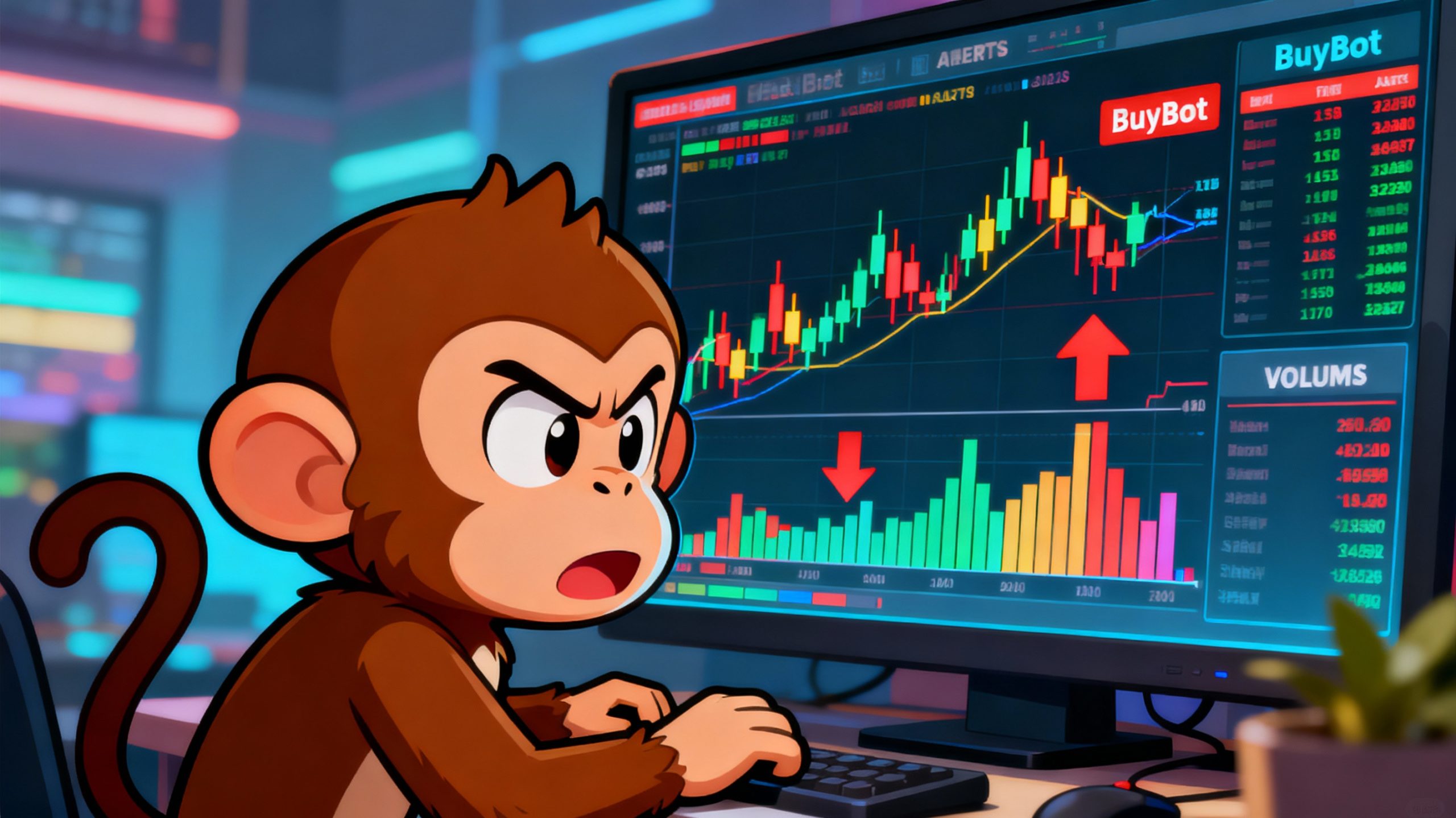
Buybot Alerts as Trading Indicators
“Buybot alert” has become ubiquitous across memecoin trading communities—usually a bot announces a purchase on Farcaster, Discord, or Twitter, triggering retail FOMO. Yet traders rarely stop to ask: What does a buybot alert actually signal? Is it a bullish indicator or a bearish manipulation? Should alerts be interpreted as “insider buying” (positive) or “bot front-running”…
-
King of Apes as a Signal: Should You Buy or Sell?
The “King of Apes” ranking represents Ape.Store’s highest curation status—projects that have passed multiple quality filters, demonstrated genuine community engagement, achieved sustainability metrics, and earned recognition within the ecosystem. Yet many traders misinterpret what “King of Apes” actually signals. Some assume it’s a “buy signal” (ranking validates project, price will moon). Others assume it’s a…
-
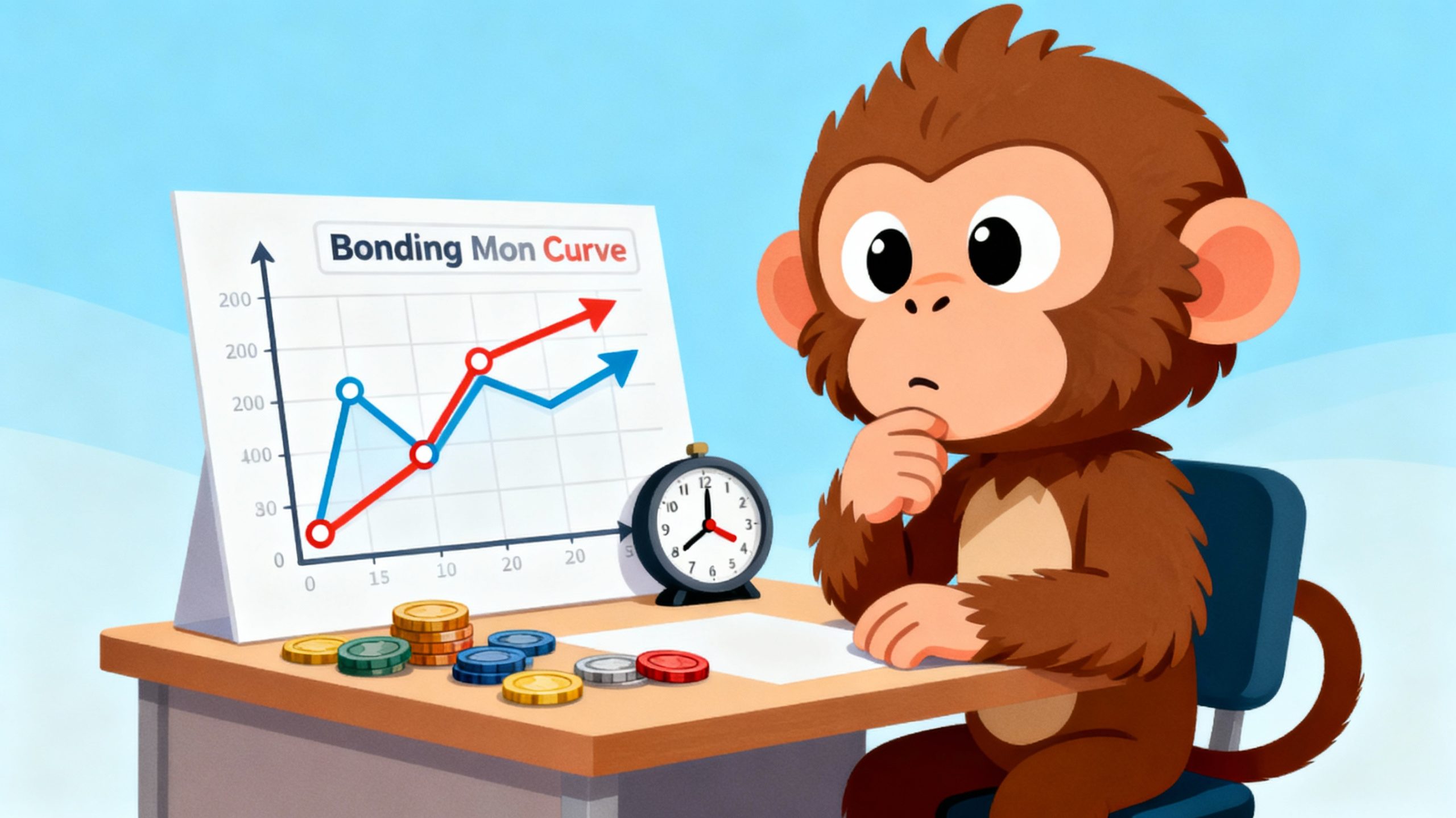
When to Exit: Reading Bonding Curve Momentum
The bonding curve is simultaneously a trader’s best friend and worst enemy. During the accumulation phase, it guarantees execution at predictable prices—safe, reliable, free from slippage surprises. But this safety creates psychological trap: traders assume the curve will continue forever, missing critical signals that graduation is approaching and exit conditions are changing. Understanding how to…
-
Copycats and Forks: What Launchpads Learn From Each Other
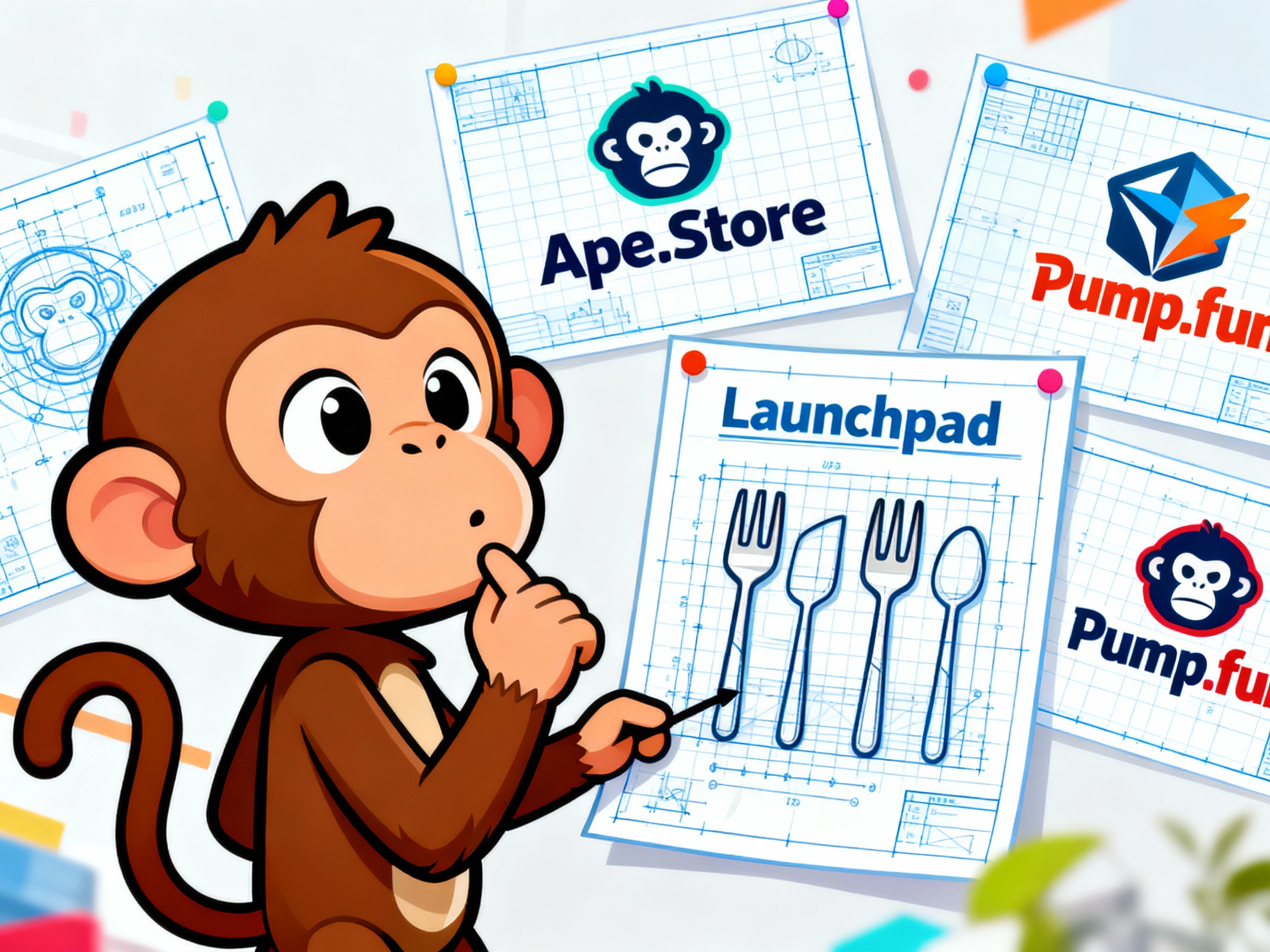
Imitation isn’t just the sincerest form of flattery in memecoin markets—it’s the primary mechanism of innovation. Within months of Pump.fun’s explosive success, dozens of forks and competitors emerged, each copying the core model while attempting minor innovations. Yet most fail catastrophically, while a few (like Ape.Store) evolve toward genuinely different positioning. This guide examines how…
-
Learning From Pump.fun’s Explosive Popularity
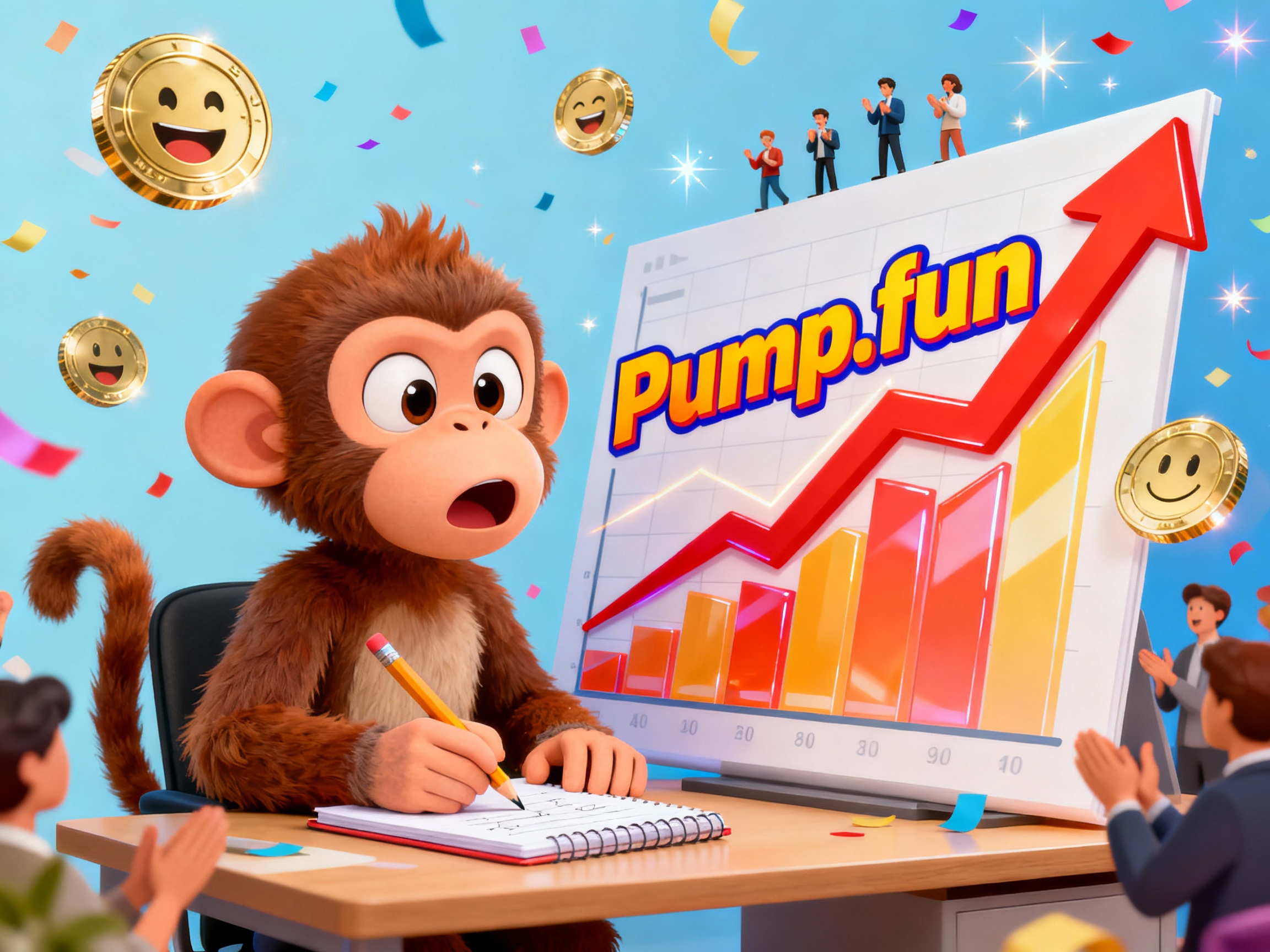
Pump.fun achieved what most platforms only dream of: explosive growth from zero to 73.6% market share in under 18 months. Understanding how they did it—not just criticizing their extraction-focused model—reveals lessons applicable to any platform, including Ape.Store. This guide examines Pump.fun’s growth mechanics, identifies which strategies are replicable (and which aren’t), analyzes what Pump.fun got…
-
Why Solana Memes Dominate Now and Why Base Is Next
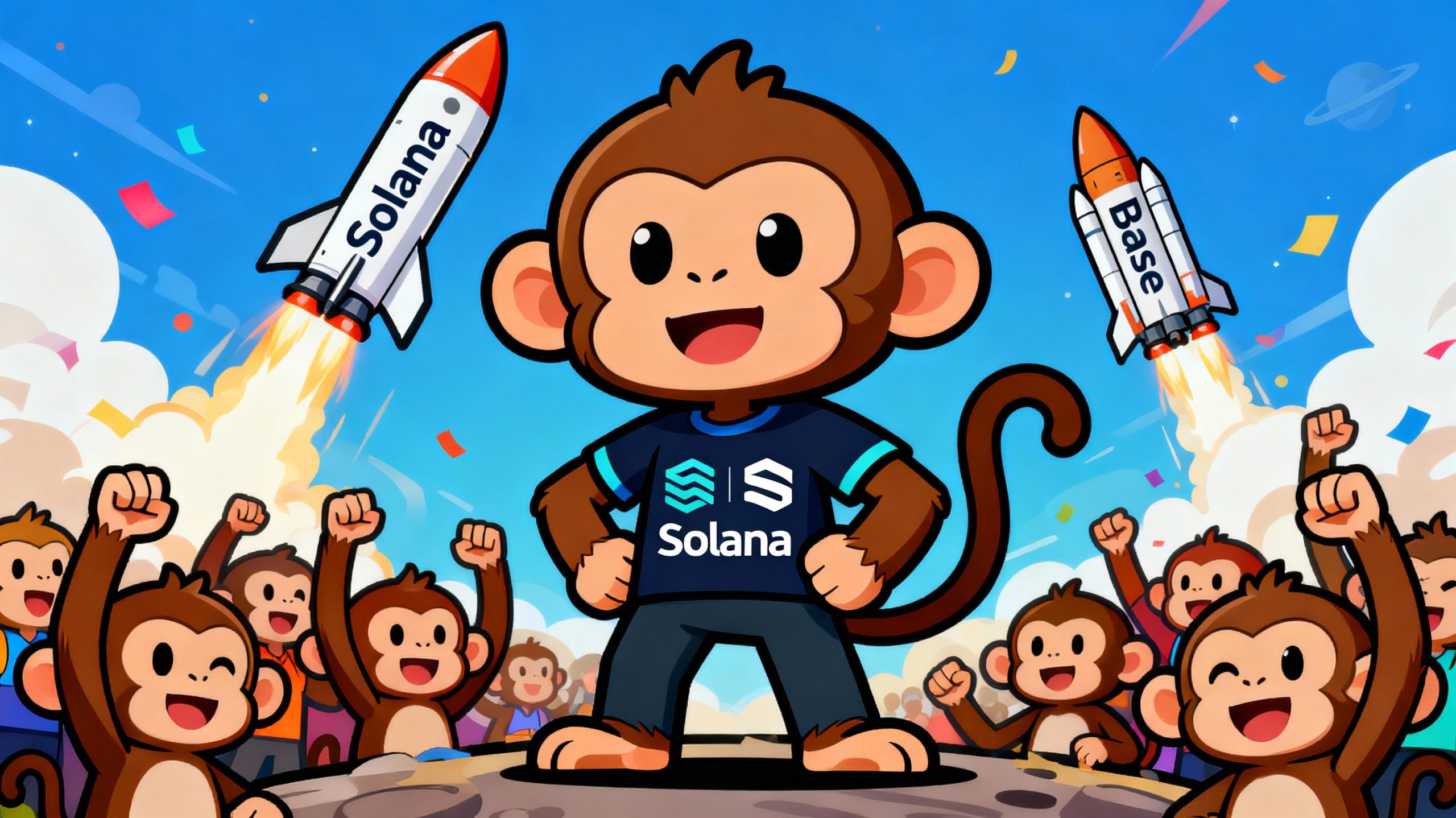
Memecoin market dominance isn’t determined by technology—it’s determined by network effects, cultural timing, and cost economics reaching critical mass simultaneously. Solana’s current memecoin supremacy (73.6% market share through Pump.fun) isn’t because Solana technology is superior; it’s because Solana achieved critical mass at precisely the moment when retail traders needed cheap, fast speculation. Base is positioned…
-
Cross-Chain Growth: Will Ape.Store Expand Beyond Base?
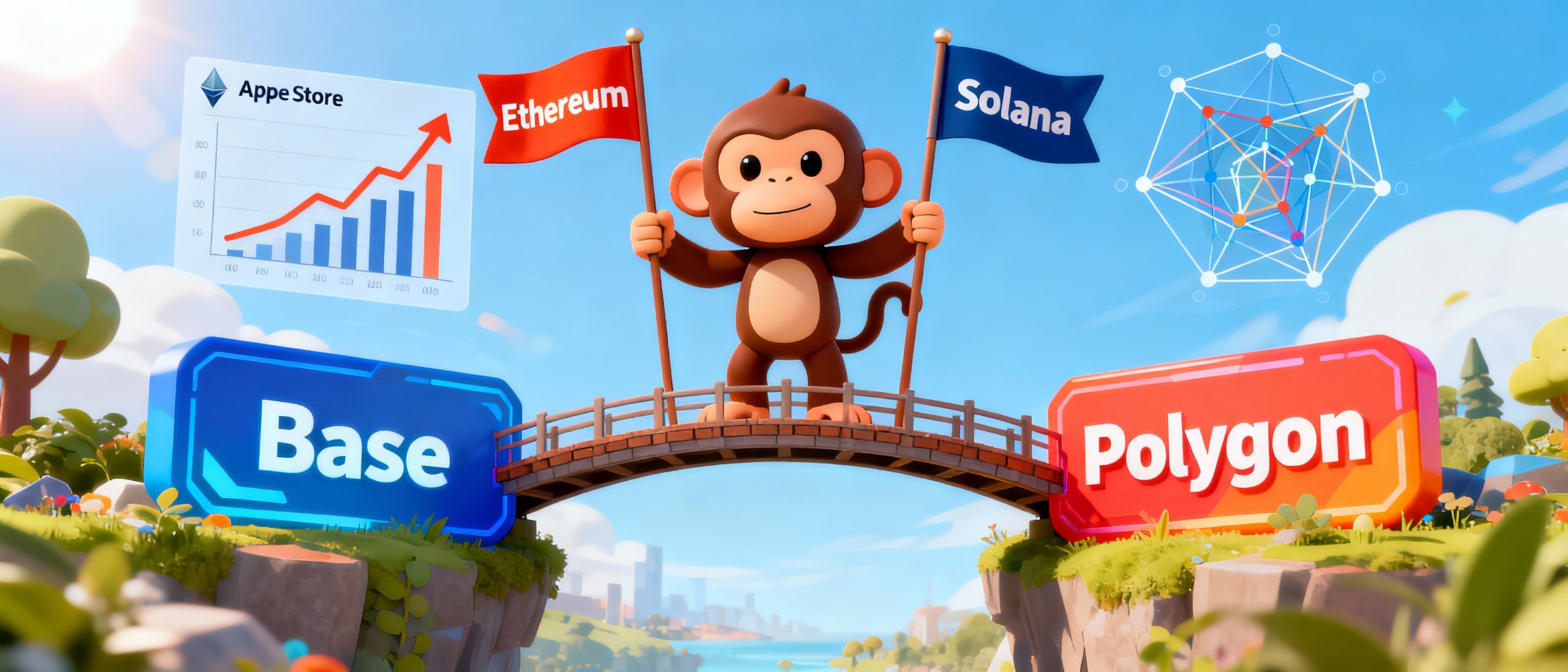
Ape.Store’s current exclusive focus on Base (using ERC-20 standard) represents a deliberate strategic choice, not a technical limitation. Yet as memecoin markets mature and competition intensifies, the question becomes inevitable: Will Ape.Store expand to other chains, and if so, which ones? This guide examines the strategic calculus of cross-chain expansion, analyzes why platforms succeed or…