
Author: ape
-

Predicting Future Launchpad Trends: What’s Next for Token Launches in 2026 and Beyond
Table of Contents Introduction: The Evolution of Launchpad Markets 2020-2022: IDO launchpads dominated ($100k-$10M raises, weeks-long vetting) 2023-2024: Memecoin platforms emerged (Pump.fun, Ape.Store, 5-minute launches) 2025: Memecoin market cap grew from $20B → $120B (500% growth) 2026+: What happens next? This guide analyzes emerging launchpad trends and predicts what the market will look like in 12-24 months. The core…
-
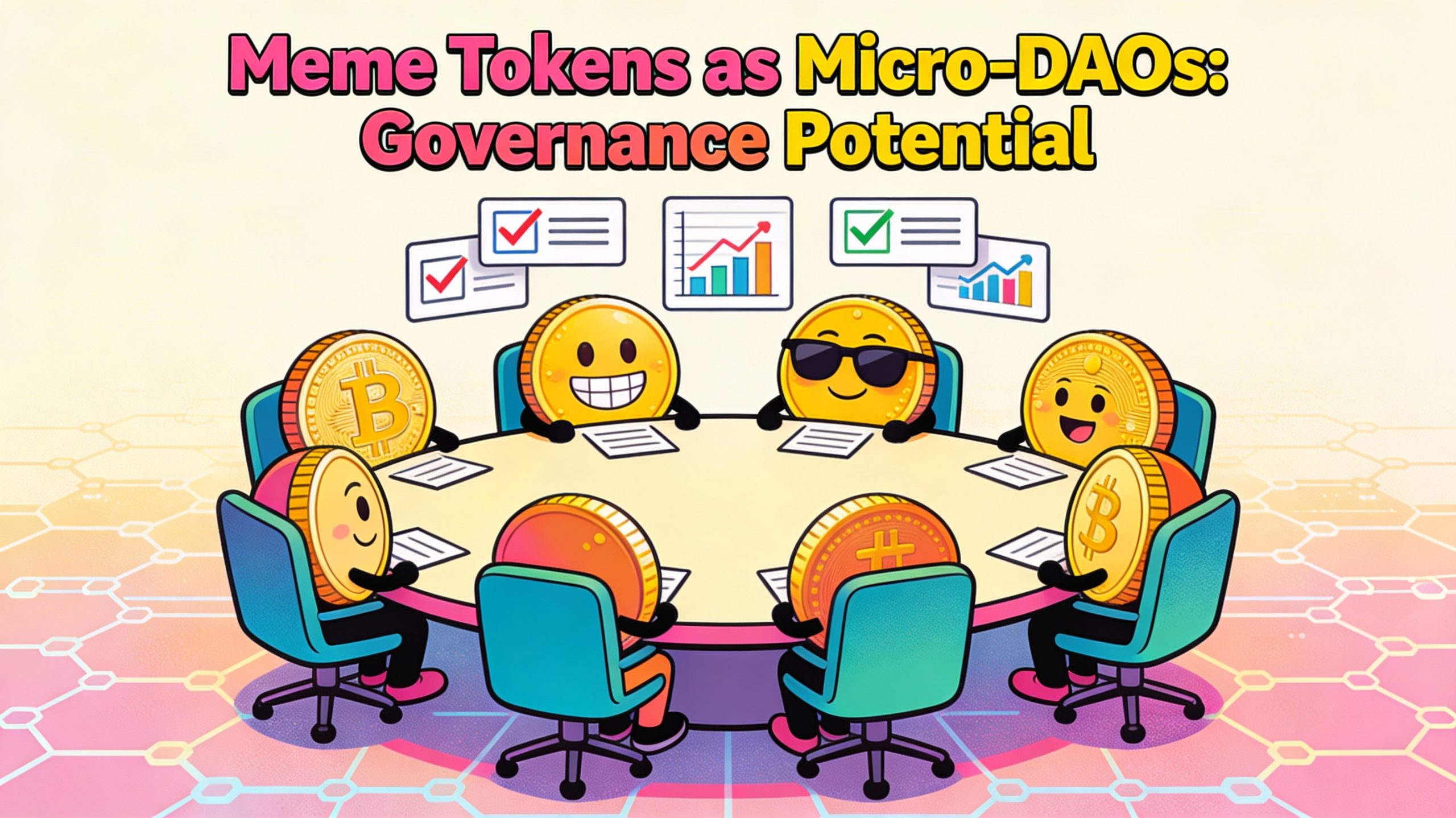
Meme Tokens as Micro-DAOs: Governance Potential and Community-Driven Decision Making
Table of Contents Introduction: From Memes to Governance When you launch a meme token on Ape.Store, you’re not just creating a speculative asset. You’re creating the infrastructure for a micro-DAO—a small, community-governed organization where: The shift from memecoin → governance token is profound. Historically, meme tokens were pure speculation: “Buy, hope price goes up, exit.” Modern…
-
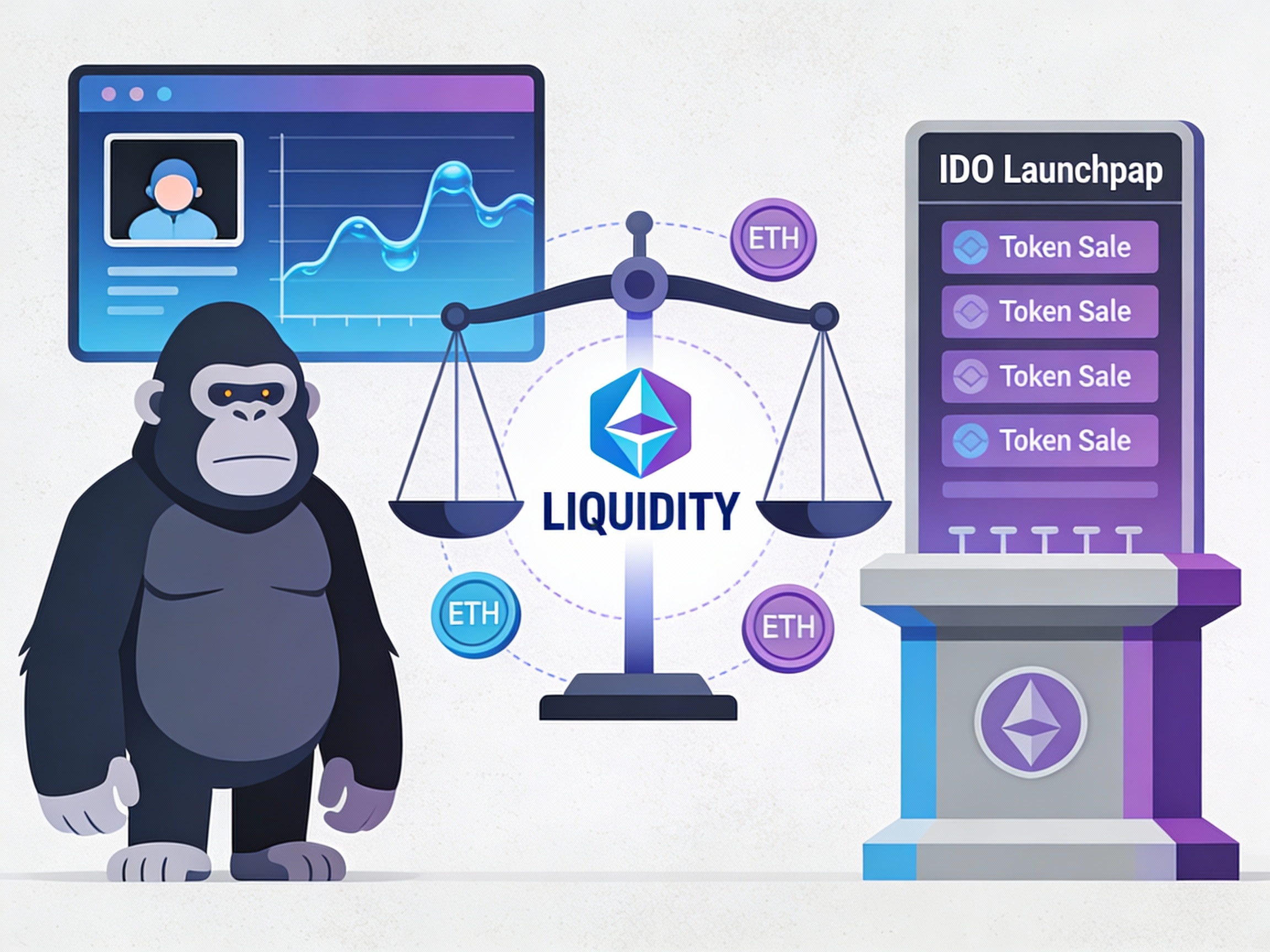
Comparing Ape.Store Liquidity to Classic IDO Launchpads: Why the Memecoin Model is Winning in 2025
Table of Contents Introduction: The Evolution From IDO to Memecoin Launchpads 2020: IDO launchpads dominated (Polkastarter, Binance Launchpad) Projects raised $100k-$10M through carefully vetted, weeks-long fundraising processes 2023-2025: Memecoin launchpads emerged (Pump.fun, Ape.Store) Projects launch tokens in 5 minutes, anyone can participate, fair-launch model dominates The question: Which model is better? And why is Ape.Store’s approach winning? The…
-
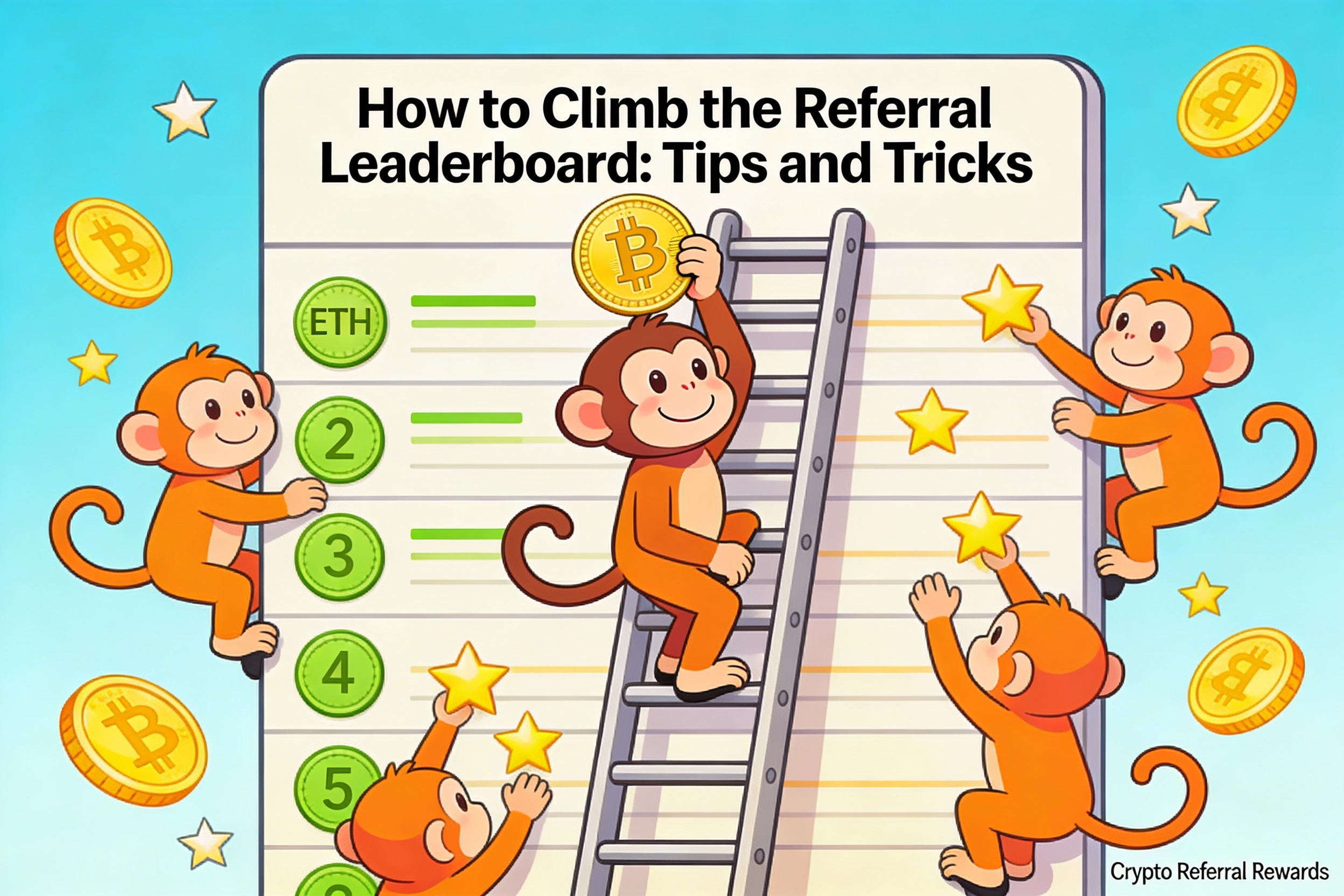
How to Climb the Referral Leaderboard: Tips and Tricks for Dominating Ape.Store’s Competitive Ranking System
Table of Contents Introduction: The Leaderboard as Prize Pool and Status Most referral programs offer the same reward to everyone: “Refer 10 people, get $50.” Ape.Store’s leaderboard system inverts this: the top referrers win the most money, and the prize pool grows with platform volume. This creates exponential incentive structure: Why Leaderboards Matter Financial incentive: Top spots pay…
-
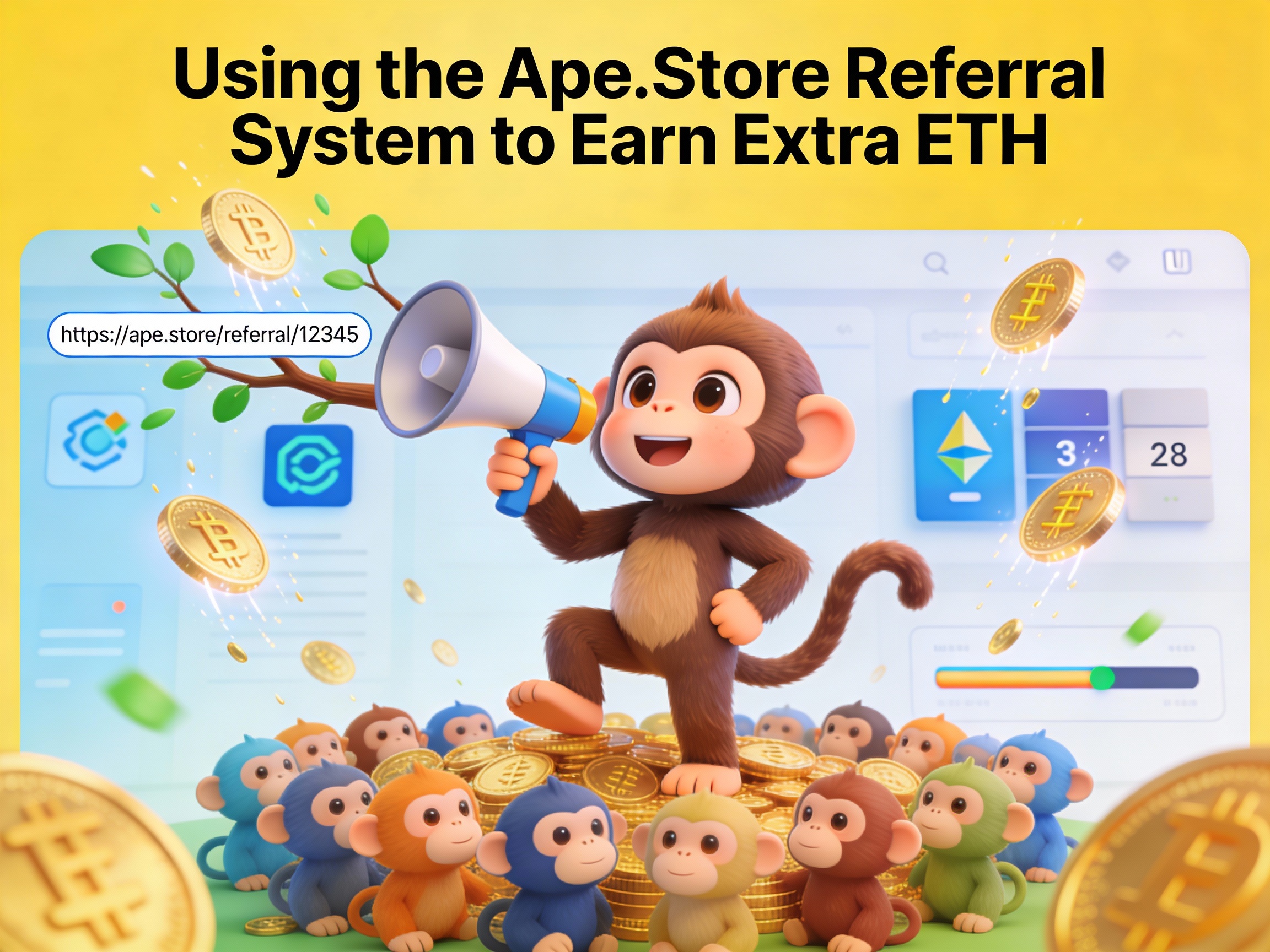
Using the Ape.Store Referral System to Earn Extra ETH: Complete Guide to Growing Your Income
Table of Contents Introduction: The Referral System as Passive Income Multiplier You launch a token on Ape.Store and earn 50% of trading fees in ETH. That’s already exceptional. But what if you could earn additional ETH by helping others launch tokens? Ape.Store’s Referral System enables exactly this: earn referral rewards when your referred creators launch tokens on…
-
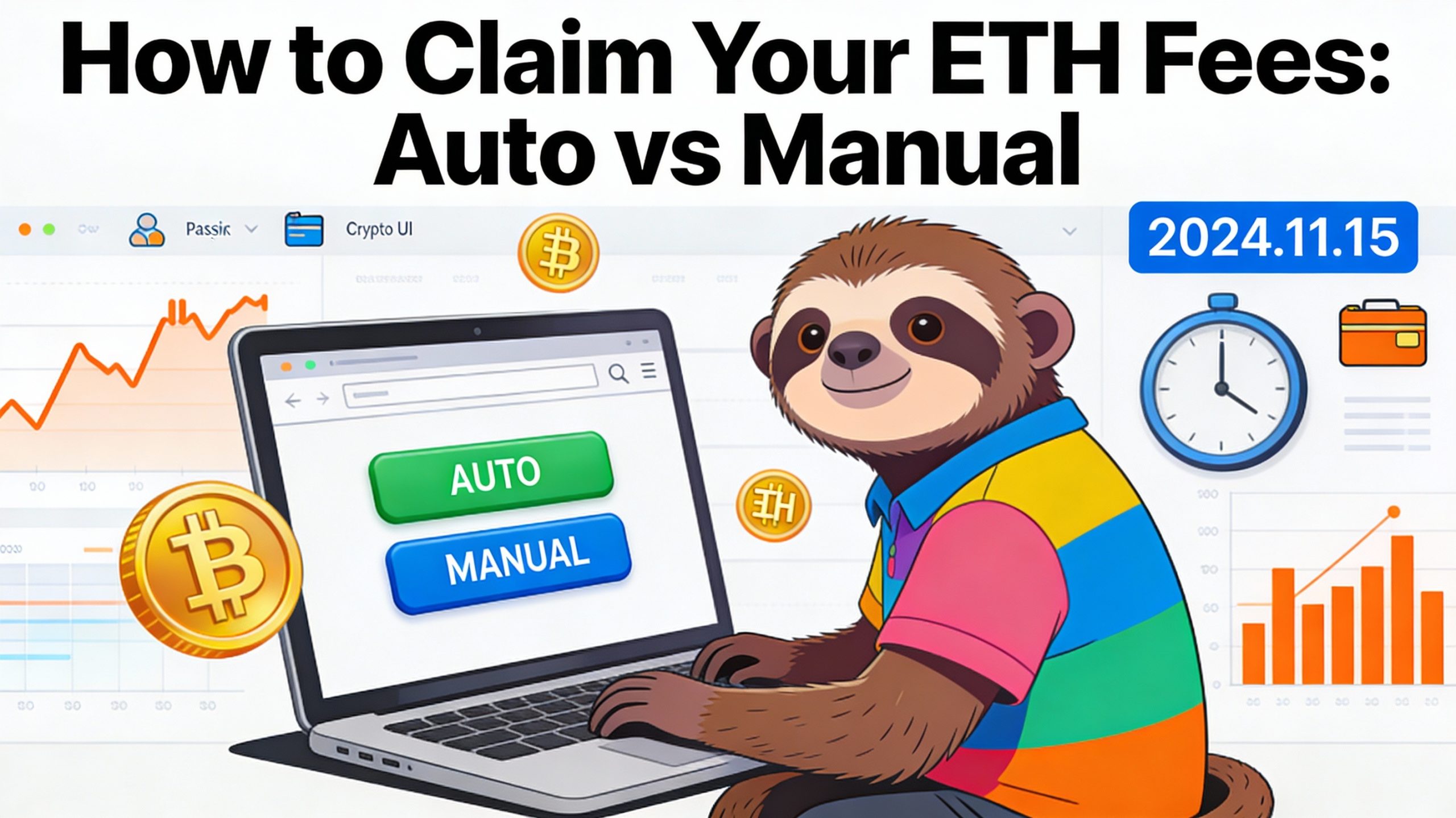
How to Claim Your ETH Fees: Auto vs Manual – Complete Ape.Store Claiming Guide
Table of Contents Introduction: Understanding Fee Claiming Options As a token creator on Ape.Store, you have a unique advantage: you earn 50% of all trading fees on your pool in ETH. But the question creators face: When and how do I claim my earnings? Ape.Store offers two distinct approaches: Option 1: Automatic Claiming (Default) Option 2: Manual Claiming…
-
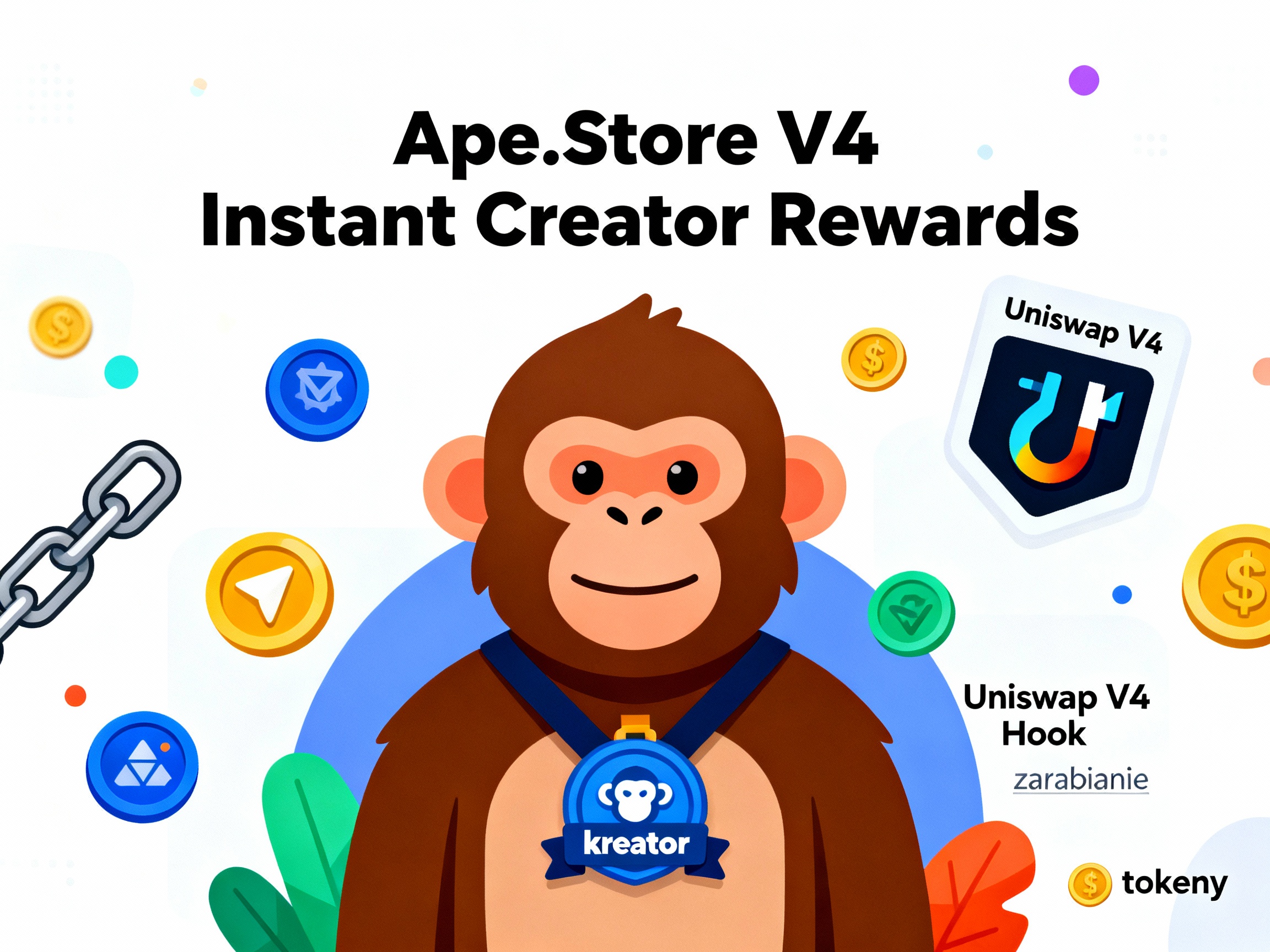
Ape.Store V4 “Instant Creator Rewards” Explained: Complete Guide to Uniswap V4 Hook-Based Earnings
Table of Contents Introduction: The Evolution From V3 to V4 Uniswap V3 was a massive improvement over V2—introducing concentrated liquidity and enabling 54% higher LP returns. But it had a limitation: all fee distribution happened passively. Fees accumulated in pools and had to be manually claimed by LPs and creators. There was a time delay between…
-
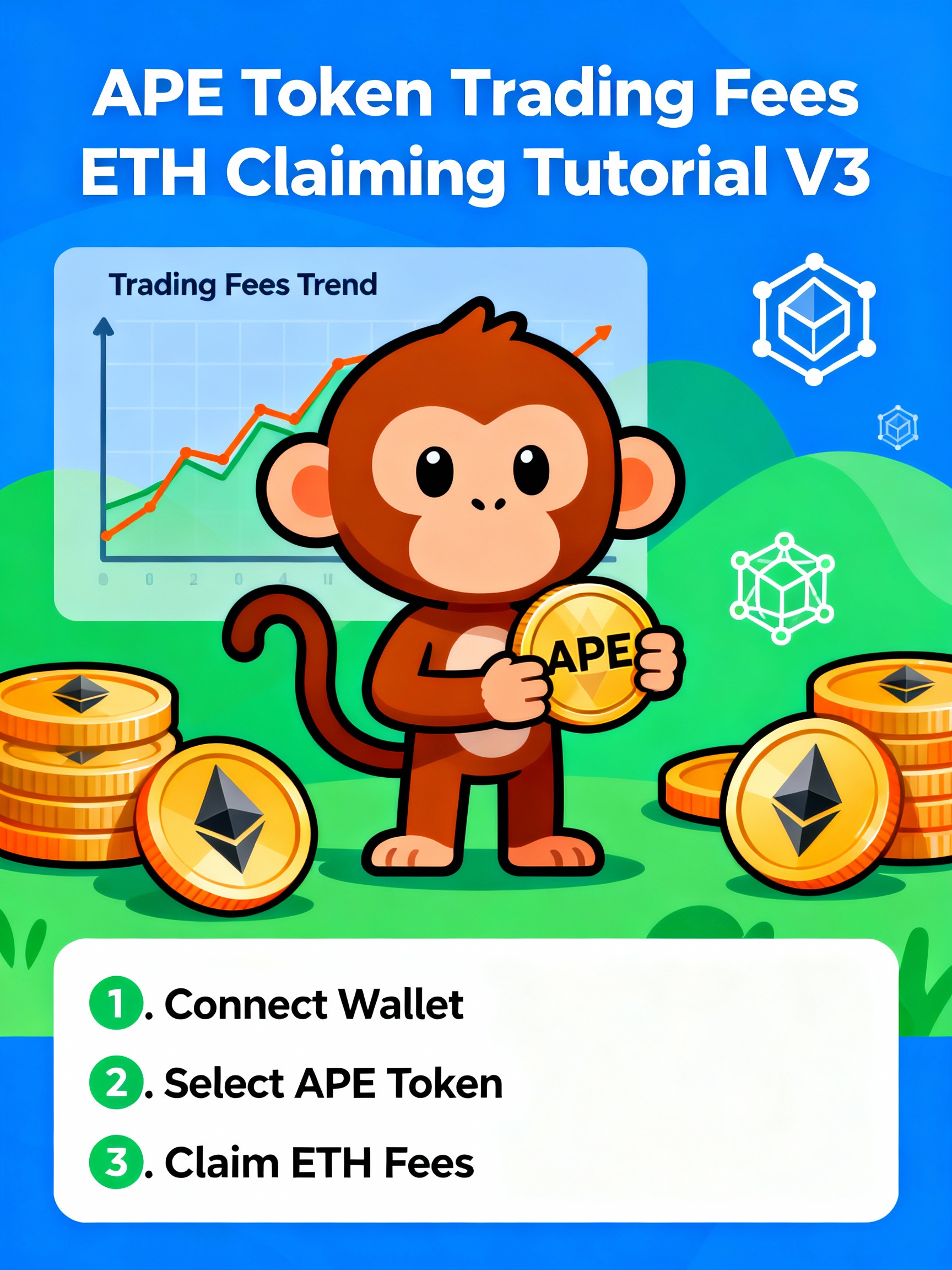
Ape.Store V3 Launches: Complete Tutorial for Claiming 50% of Trading Fees in ETH
Table of Contents Introduction: How Ape.Store’s Fee-Sharing Model Works The Traditional Model (Pump.fun): You launch a token, pre-mine 5%, and hope to dump at peak. Maximum one-time revenue. The Ape.Store V3 Model: You launch a token, receive 0% pre-mine, but earn 50% of ALL trading fees indefinitely. Example: If your token trades $10M monthly, the…
-
Bridge Security: Houdini Integration Case Study and the Game Theory of Incentive Design
Table of Contents Introduction: Privacy Bridges as New Attack Surface By 2025, cross-chain bridge hacks had surpassed $2.8 billion in cumulative losses. As bridges became more sophisticated, so did attacks against them. But there’s a paradox: the more privacy a bridge provides, the more security challenges it creates. Traditional bridges (like Uniswap v2 liquidity pools) are…
-
Analytics Deep Dive: Reading Ape.Store Dune Dashboards to Validate Incentive Design Theory
Table of Contents Introduction: From Theory to On-Chain Verification Two Ape.Store knowledge base articles make powerful claims about how the platform is designed differently from competitors: First claim: Fee-splits keep creators motivated indefinitely through ongoing revenue alignment, not one-time extraction Second claim: Meme coins function as on-chain incentive design experiments, and Ape.Store’s mechanism choices produce better outcomes…